The FIFA World Cup is the pinnacle of international soccer, capturing the hearts of billions of fans across the globe every four years. Since its inception in 1930, only a select group of nations have risen to the absolute peak of the sport to hoist the iconic trophy. The tournament has been played 22 times since the inaugural event in Uruguay. A total of eight different national teams have won the prestigious title.
The most recent tournament, held in Qatar in 2022, saw Lionel Messi lead Argentina to their third world title in a breathtaking final against France, which was decided by a dramatic penalty shootout. In this review, we’ll identify the national teams that have faced similar obstacles on their way to raising the World Cup trophy.
Spain: Tiki-Taka and World Cup Glory
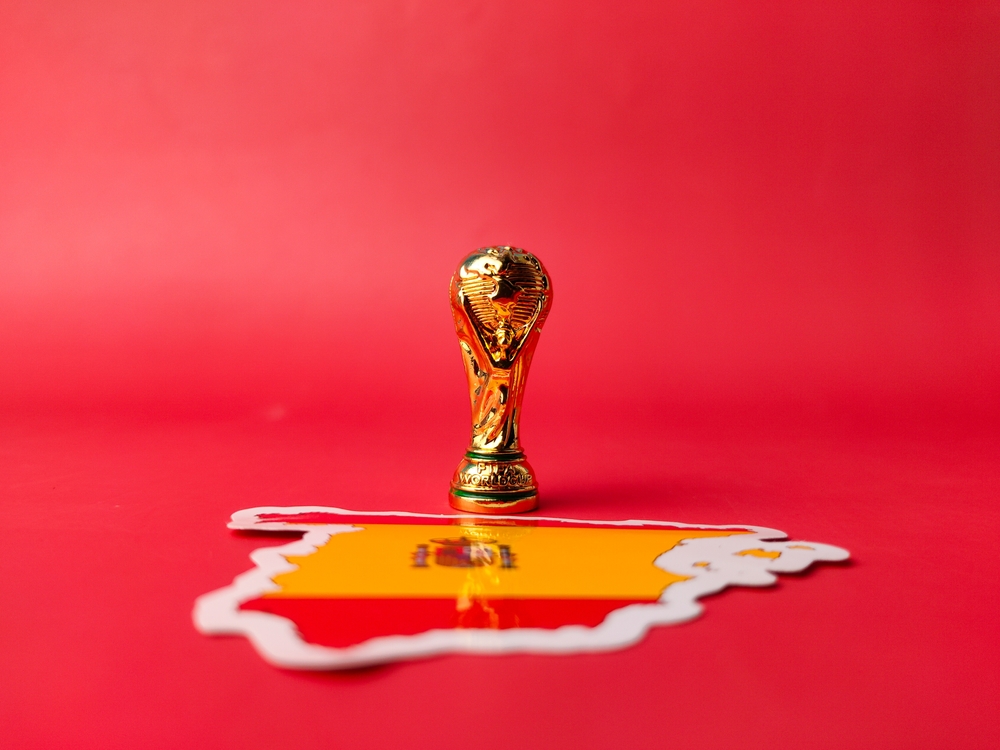
World Cup: 1 (2010)
Summary: Spain’s history in the FIFA World Cup is a tale of long-standing underachievement that beautifully transformed into ultimate global dominance. For decades, despite producing immense club talent, La Roja (The Red One) was notoriously labeled as the “perennial underachievers,” repeatedly bowing out in the quarter-finals or earlier.
Everything changed during a golden era between 2008 and 2012. Masterminded by their mesmerizing Tiki-Taka style—a tactic based on short, precise passing and maintaining suffocating possession—Spain finally broke through at the 2010 FIFA World Cup in South Africa.
Though they uncharacteristically lost their opening match to Switzerland, Spain rallied to win every single subsequent knockout game by a disciplined 1–0 scoreline. The tournament culminated in a grueling, physical final against the Netherlands, where midfielder Andrés Iniesta struck a dramatic, legendary half-volley goal in the 116th minute of extra time, securing Spain’s first and only World Cup trophy.
England: Roaring Beyond the Shadows of 1966

World Cup: 1 (1966)
Summary: As the nation that codified modern soccer, England holds a unique and highly scrutinized position in World Cup history. After opting out of the first three tournaments due to a fractured relationship with FIFA, the Three Lions made their debut in 1950, suffering a humbling, historic 1–0 defeat to a team of American part-timers.
The undisputed pinnacle of English soccer arrived at the 1966 World Cup on home soil. Managed by Alf Ramsey and captained by the legendary defender Bobby Moore, England marched all the way to Wembley Stadium for the final.
In one of the most thrilling and fiercely debated finals ever played, England defeated West Germany 4–2 after extra time. The match featured a historic hat-trick from Geoff Hurst, including his famous, controversial “ghost goal” that bounced off the crossbar and was ruled to have crossed the goal line.
In the decades following 1966, England’s World Cup campaigns have been defined by immense expectations routinely crushed by dramatic heartbreaks, most notably an agonizing curse in penalty shootouts (losing in 1990, 1998, and 2006) and iconic moments of misfortune, such as Diego Maradona’s infamous “Hand of God” goal in 1986.
Uruguay: The First World Cup Champions
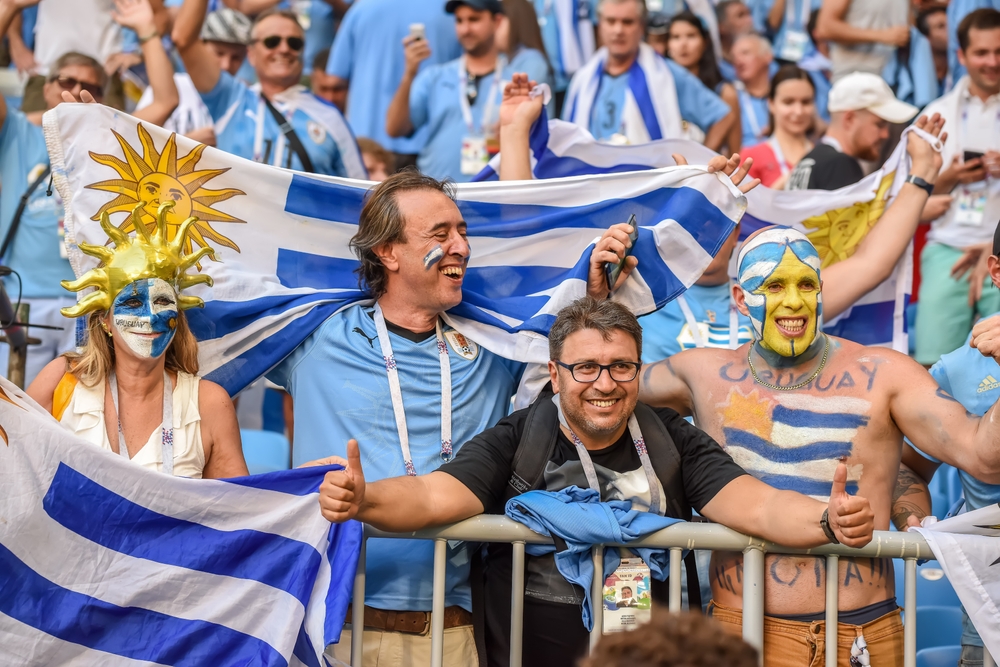
World Cup(s): 2 (1930, 1950)
Summary: Uruguay holds a foundational and revered place in FIFA World Cup history, punching far above its weight as a nation of just 3.5 million people. As the birthplace of the modern international tournament, Uruguay both hosted and won the inaugural World Cup in 1930, defeating Argentina 4–2 in Montevideo. They followed this up twenty years later with one of the most stunning sports upsets of all time, the Maracanazo, where they shocked hosts Brazil 2–1 in front of nearly 200,000 fans to claim their second title in 1950.
Across 15 tournament appearances through 2026, La Celeste (The Sky Blue) has consistently forged a reputation built on technical grit and an indomitable fighting spirit known as Garra Charrúa, making them the smallest country by population ever to rule the footballing world.
France: The Modern Era’s Dominant Force
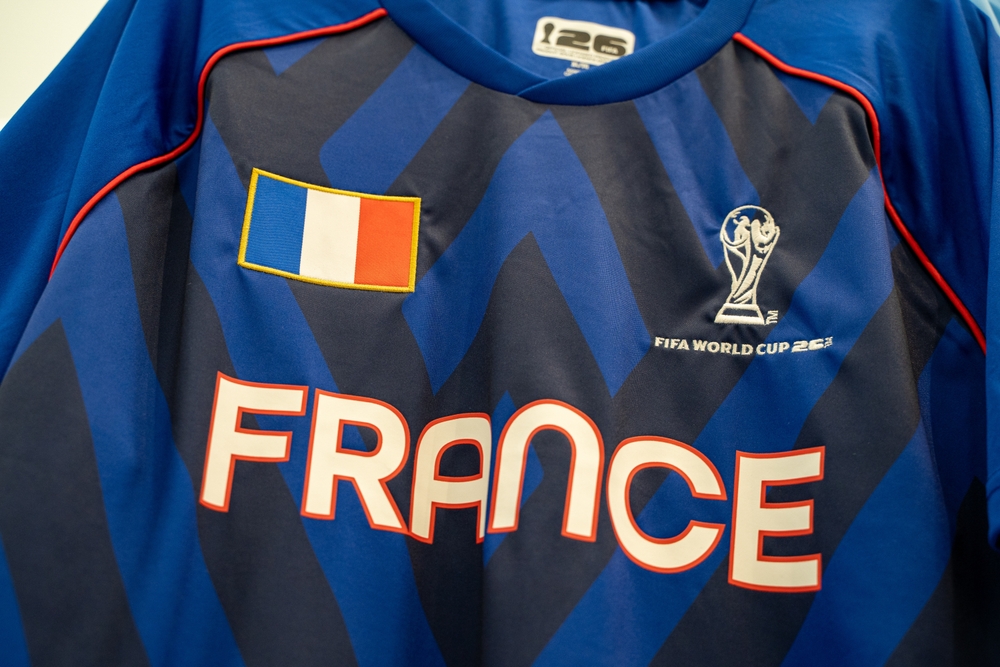
World Cup(s): 2 (1998, 2018)
Summary: France stands as one of the most successful and dominant forces in FIFA World Cup history, particularly in the modern era. As one of the few European nations to play in the inaugural 1930 tournament, Les Bleus (The Blues) have claimed the world title twice.
They first conquered the footballing world on home soil in 1998, led by the legendary Zinedine Zidane, and secured their second star in 2018 with a thrilling 4–2 victory over Croatia in Moscow. Boasting 17 total tournament appearances through 2026, France has consistently produced generation-defining talent, appearing in four of the last seven World Cup finals (1998, 2006, 2018, 2022) and establishing a permanent reputation for tactical sophistication, multicultural unity, and explosive attacking flair.
Argentina: Legendary Talents and Eternal Triumphs
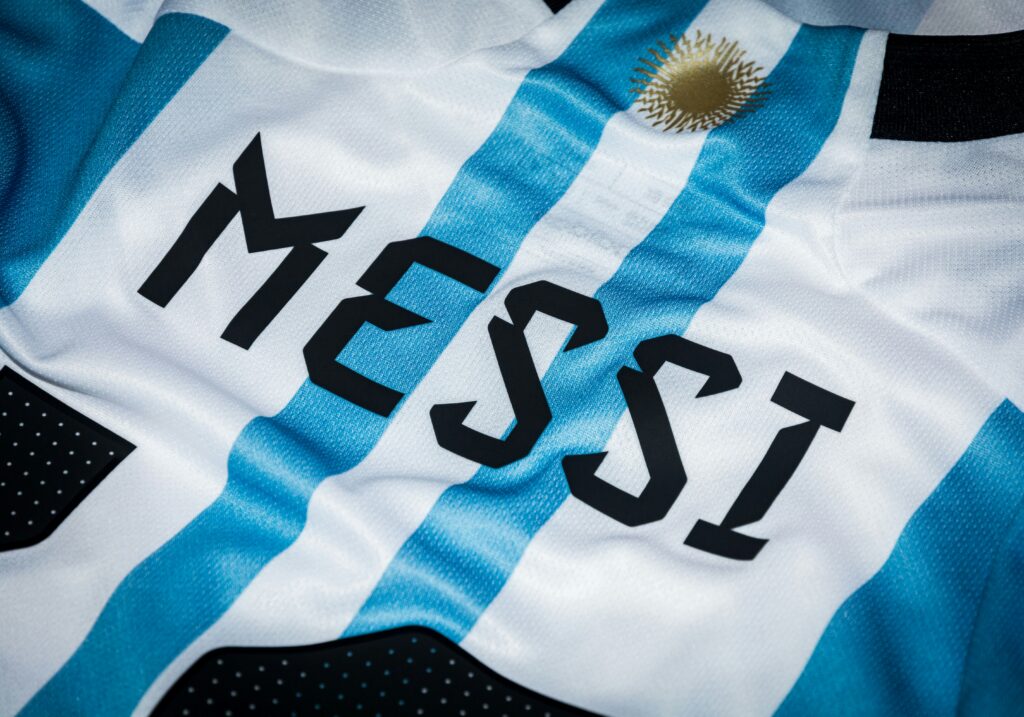
World Cup(s): 3 (1978, 1986, 2022)
Summary: Argentina stands as an absolute titan of international football, possessing a decorated World Cup heritage defined by historic triumphs and legendary icons. Having reached the final of the very first tournament in 1930, La Albiceleste (The White and Sky Blue) captured their first two world titles during the golden eras of Mario Kempes in 1978 and Diego Maradona in 1986.
Following decades of agonizing near-misses, Lionel Messi cemented his own legacy by guiding the nation to an emotional third star in Qatar 2022 during one of the greatest finals ever played. Known worldwide for generating some of the sport’s finest individual creators, Argentina’s World Cup campaigns are characterized by an intense, unwavering national passion and a distinct mixture of exquisite technical brilliance and fierce competitiveness.
Italy: The Ironclad Legacy of the Azzurri

World Cup(s): 4 (1934, 1938, 1982, 2006)
Summary: Italy stands as one of the most historically decorated and revered heavyweights in FIFA World Cup history. Tied with Germany as Europe’s most successful national side, Italy has captured the world title four times. hey established the tournament’s first true dynasty by winning back-to-back editions in 1934 and 1938, before securing modern triumphs with an expansive run in 1982 and a masterclass in defensive resilience in 2006.
Famed for inventing sophisticated defensive systems like Catenaccio, Italy’s legacy is defined by tactical mastery, legendary backlines, and iconic big-match clutch performers. Despite a tumultuous modern era marked by shocking failures to qualify for the 2018, 2022, and 2026 tournaments, Italy’s historical apex keeps them permanently etched in footballing royalty.
Germany: Precision, Power, and World Cup Dominance
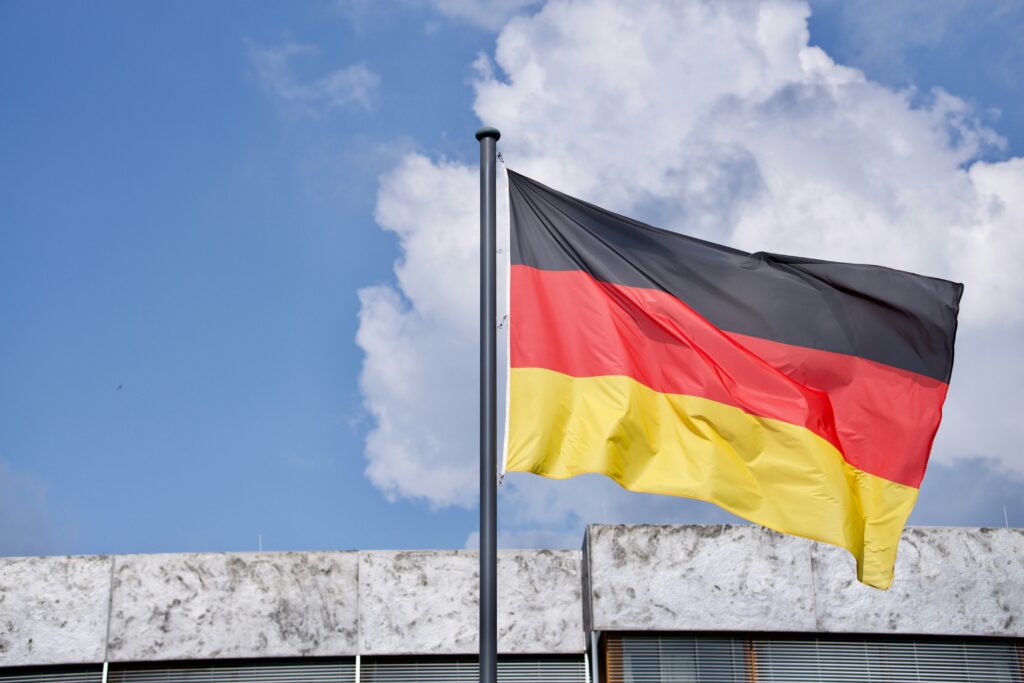
World Cup(s): 4 (1954, 1974, 1990, 2014)
Summary: Germany stands as an absolute institution in FIFA World Cup history, recognized for an unparalleled culture of tournament consistency and clinical excellence. Across 20 appearances through the 2026 expansion era, Die Mannschaft (The Team) has captured four world championship titles, a tally bested globally only by Brazil.
Beyond their four stars, the Germans hold the record for the most top-four finishes (13) and total final appearances (8) of any European nation. From the legendary “Miracle of Bern” in 1954 to their historic 7–1 dismantling of Brazil en route to the 2014 crown, Germany’s tournament narrative is defined by structural organization, mental resilience, and an ability to peak when the stakes are highest.
Brazil: O País do Futebol and the Magic of Joga Bonito

World Cup(s): 5 (1958, 1962, 1970, 1994, 2002)
Summary: Brazil is the undisputed spiritual home of the FIFA World Cup, standing alone as the most successful nation in the tournament’s history. A Seleção (The National Squad) holds the unique distinction of being the only country to qualify for and compete in every single edition since the tournament’s inception in 1930.
Flaunting a record five world championship titles, Brazil permanently defined the global game through their trademark Joga Bonito (Beautiful Game)—an iconic style rooted in creative flair, rhythm, and joyous attacking soccer. From the breathtaking mastery of Pelé in the mid-20th century to the lethal brilliance of Ronaldo in 2002, Brazil’s historical contributions have shaped the identity of the World Cup, making their iconic yellow jersey a global symbol of footballing excellence.