Few historical archives reflect societal shifts quite as vividly as print media archives from the twentieth century. Print copywriters once enjoyed vast freedom before strict Federal Trade Commission oversight took hold. Brands routinely made extraordinary health claims without supporting scientific empirical evidence. Advertisers marketed hazardous chemical formulations directly to trusting suburban consumers. They used aggressive promotional tactics that modern standards would immediately reject.
Do you remember reading through older mid-century periodicals in dusty attics or vintage shops? Readers regularly encounter surprising marketing campaigns that defy contemporary ethical standards. Corporate sponsors leveraged bold claims to drive rapid product adoption across expanding consumer markets. These campaigns reveal a fascinating historical record of changing regulatory boundaries and cultural values. Studying these vintage advertisements provides essential context for understanding modern advertising laws and public health standards.
1. Medical Endorsements for Tobacco Products
During the mid-twentieth century, major tobacco manufacturers actively recruited medical professionals for high-profile promotional initiatives. Campaign managers sought to alleviate mounting public health anxieties regarding chronic throat irritation and respiratory issues.
In 1946, the R.J. Reynolds Tobacco Company launched a massive national promotional campaign for Camel cigarettes. Full-page print placements claimed that more doctors smoked Camels than any other competing brand. Repeated survey results allegedly supported this startling assertion across medical conventions nationwide.
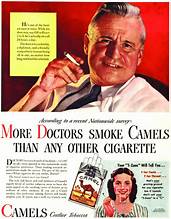
Other leading market competitors quickly followed suit with their own specialized health-focused campaigns. Philip Morris highlighted independent research asserting lower throat toxicity in its proprietary cigarette blends.
American Tobacco Company claimed Lucky Strikes offered superior throat protection through specialized heat curing techniques. Modern regulatory bodies banned all such deceptive medical endorsements under strict federal guidelines established in 1970.
2. Cocaine Toothache Drops for Children
In the late nineteenth century, patent medicine manufacturers operated with almost zero regulatory oversight from health agencies. Formulators freely incorporated potent narcotic substances into everyday consumer health remedies.
Pharmacist Lloyd Manufacturing marketed cocaine toothache drops directly to parents in 1885. Commercial print ads promised instantaneous relief for young children suffering from acute dental pain. Promoters touted the liquid formulation as an indispensable family cure for restless infants.
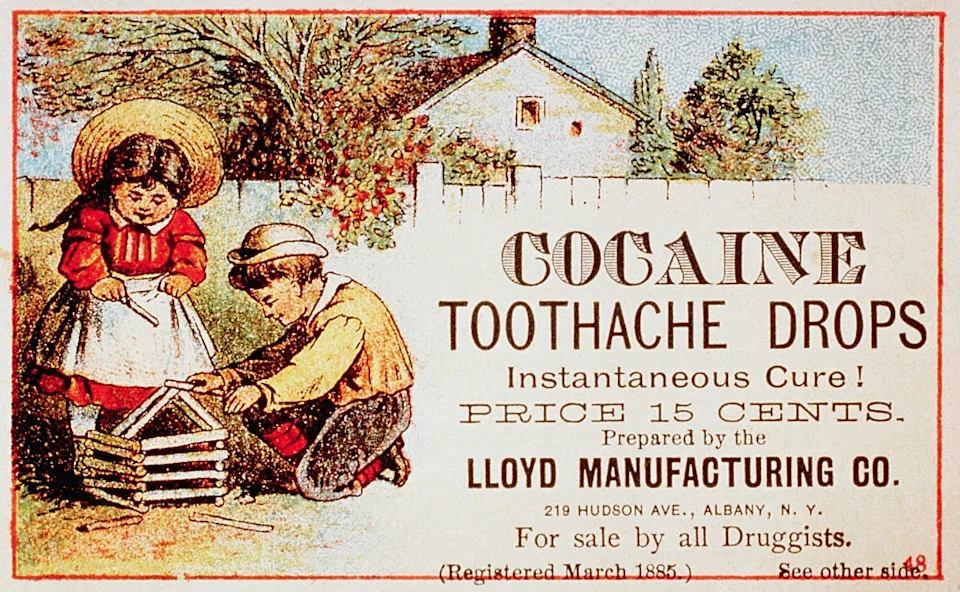
Retail pharmacies sold these liquid treatments over the counter without requiring medical prescriptions. Promoters praised the cocaine drops for immediate pain suppression and mood enhancement in distressed youngsters.
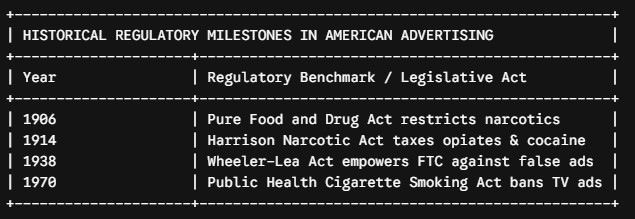
Congress passed the Pure Food and Drug Act in 1906 to eliminate unlisted narcotics in consumer medicines. The Harrison Narcotic Act of 1914 ultimately restricted cocaine distribution to licensed medical practice.
3. Carbonated Soft Drinks in Infant Nurseries
Food processing corporations frequently used unorthodox dietary advice. Marketing teams attempted to increase soft drink sales volumes by promoting unfounded health benefits.
The Coca-Cola Company published print materials emphasizing its use for headaches as the Ideal Brain Tonic. Promoters claimed Coca-Cola was the ideal remedy for headaches as well as mental and physical exhaustion.
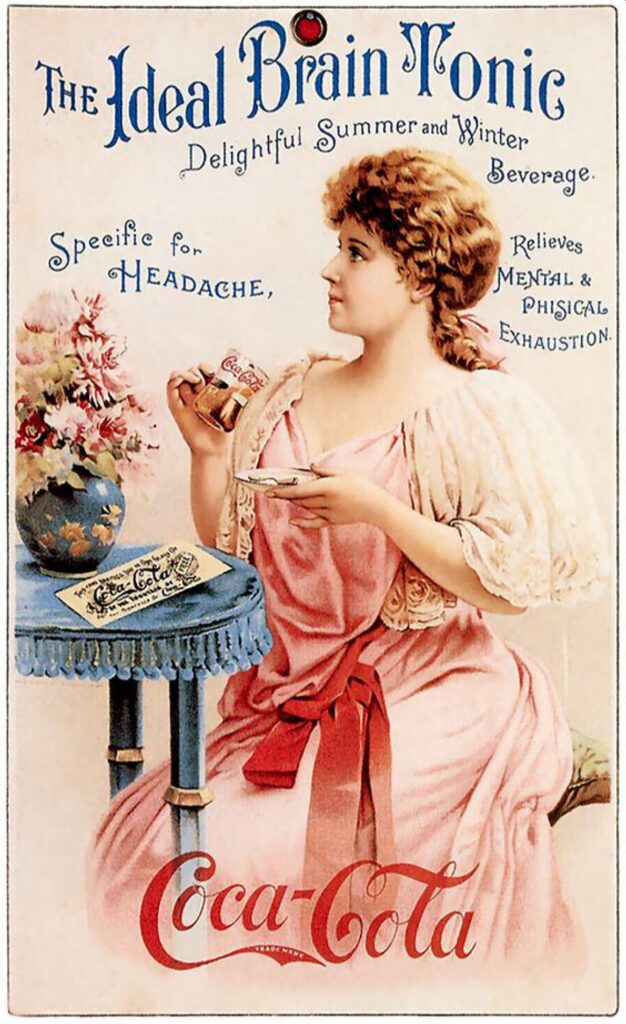
Print copy described the carbonated lemon-lime beverage as remarkably wholesome and gentle on delicate stomachs. Advertisements featured infants drinking soda directly from standard nursery feeding bottles.
Executives argued that early soft drink consumption promoted lifelong brand loyalty among growing suburban demographics. Modern pediatric nutritionists strongly condemn introducing high-sugar soft drinks to developing infants.
4. Household Chemical Application Campaigns
Following World War II, chemical manufacturers sought commercial domestic applications for synthetic military pesticides. Dichloro-diphenyl-trichloroethane, commonly known as DDT, gained immense popularity in consumer markets.
In 1947, chemical companies launched aggressive print marketing campaigns promoting DDT for everyday residential pest control. Print graphics depicted happy families spraying DDT directly over kitchen countertops and dining tables.
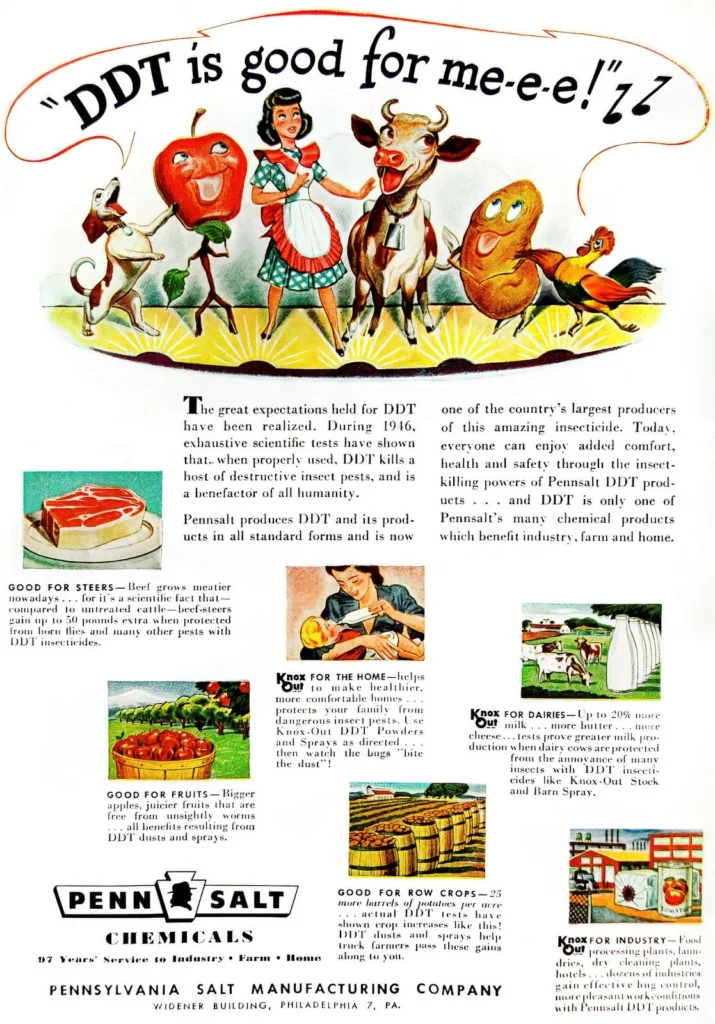
Advertisers assured housewives that DDT was completely harmless to humans and warm-blooded domestic pets. Promoters even sponsored public demonstrations showing individuals consuming small quantities of chemical powder.
Biologist Rachel Carson exposed serious ecological hazards associated with DDT in her 1962 book Silent Spring. Environmental authorities banned domestic DDT sales entirely in 1972 after extensive scientific toxicity reviews.
5. Parasitic Weight Loss Treatments
During the early twentieth century, weight management companies aggressively targeted vulnerable consumers with extreme slimming solutions. Unregulated mail-order operations promised rapid weight reduction without diet restrictions or mandatory physical exercise.
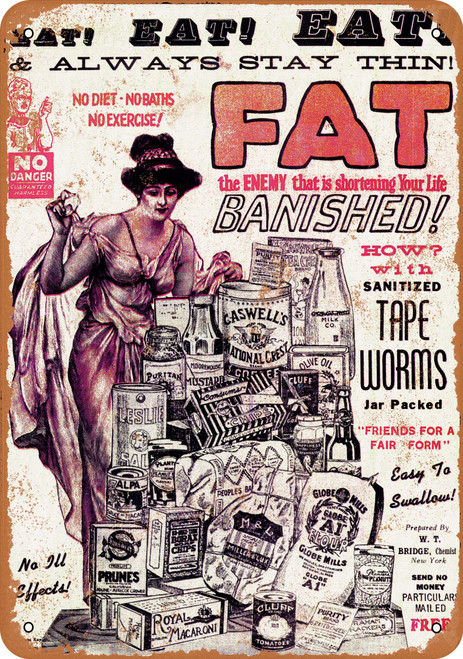
Certain distributors marketed specialized pill formulations containing encapsulated tapeworm cysts to unsuspecting buyers. Print circulars claimed the treatment allowed customers to consume unlimited food while shedding body mass effortlessly.
The internal parasites absorbed ingested nutrients directly within the host human digestive tract. Patients suffered severe health complications, including extreme malnutrition, abdominal blockages, and systemic organ damage.
Federal authorities intervened as medical reports documented the lethal dangers of internal parasite infestation. Mail fraud legislation and early federal drug safety standards eventually removed these dangerous products from circulation.
6. Overt Gender Stereotyping in Home Appliances
Home appliance manufacturers relied heavily on exaggerated gender roles to drive consumer purchases. Promotional copy regularly depicted women as entirely dependent on domestic equipment for personal satisfaction.
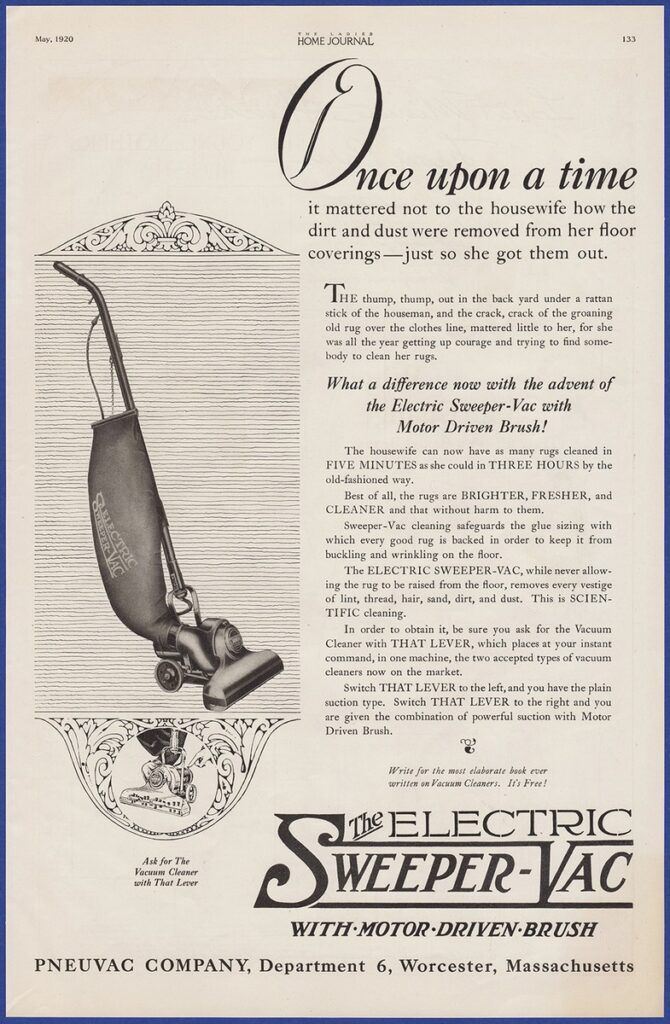
A 1920 Royal Electric vacuum advertisement proclaimed that housewives would be “delighted” after receiving cleaning equipment because they could clean as many rugs as possible in five minutes that would normally take three hours. Weyenberg Shoe Manufacturing published controversial promotional layouts featuring women serving men in subordinate physical postures.
Societal shifts during the late 1960s sparked intense public criticism against such overtly patronizing campaigns. Corporate marketing departments eventually pivoted toward inclusive messaging as consumer expectations shifted dramatically.
The Legacy of Commercial Oversight
Examining these bold historical campaigns offers valuable insight into the evolution of consumer protection laws. Public health initiatives and regulatory frameworks systematically dismantled predatory advertising practices over the past century. Modern statutory guidelines require rigorous scientific validation for health claims and safety assertions. Today, vintage advertisements serve as fascinating historical artifacts reflecting the social norms and regulatory gaps of past eras.