Across the second half of the twentieth century, the American home filled up with single-purpose gadgets. Each one did a single job well. Most were built from steel, Bakelite or wood veneer, and people expected them to last a decade or more. Then push-button phones, personal computers and finally the smartphone took over their jobs one at a time. The objects themselves ended up at garage sales, in attics and in landfills.
For readers born after about 1980, several of these devices now exist mostly as props in old films. People who grew up with them remember specific mechanical details: a phone dial clicking as it spun back, a slide tray clacking forward, a cabinet stereo too heavy for one person to move.
This guide covers eight household gadgets that were standard in the postwar home and have since dropped out of daily use. Each entry explains what the device did, how it worked and what replaced it. Where a gadget is still made in small numbers or has a collector market, the entry says so.
Communication Gadgets: The Rotary Dial Telephone
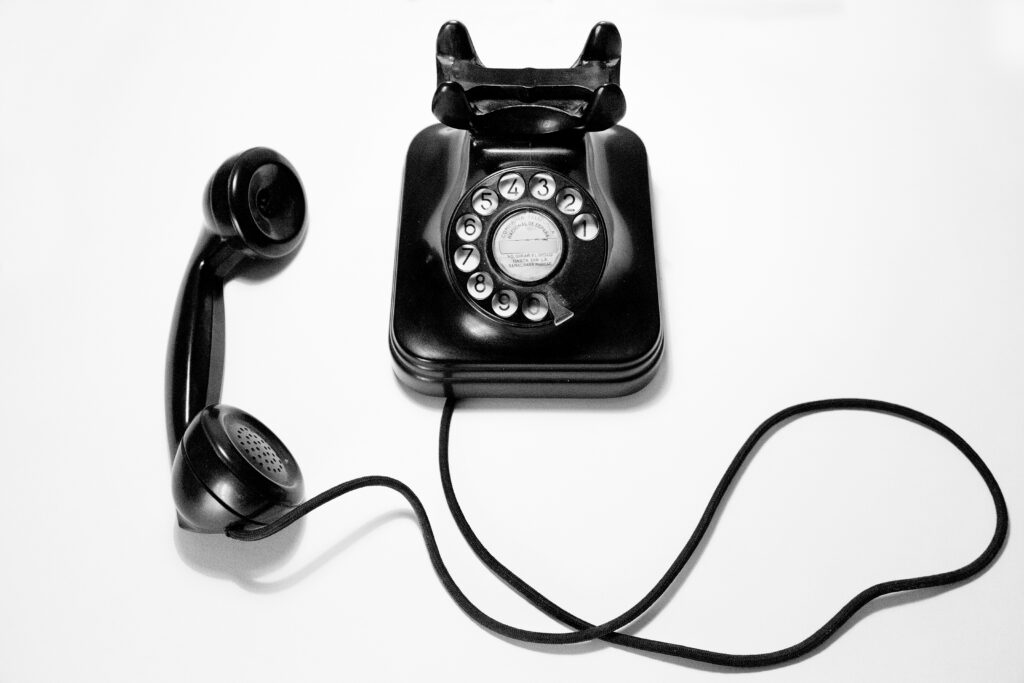
For several decades, the rotary telephone was standard in American homes. To call someone, you put a finger in a numbered hole and pulled the dial clockwise until it hit a metal stop. When you let go, the dial spun back and sent electrical pulses down the line, one pulse for each step in the digit’s value. Zero took the longest.
The Western Electric Model 500, introduced in 1949, became the most common version. Households usually leased it from the phone company instead of buying it. Push-button Touch-Tone service arrived in the 1960s and slowly replaced the dial. Cordless handsets and then mobile phones finished the job. Many rotary sets still work on landlines that accept pulse dialing, but support varies by provider and is missing on most internet-based phone service.
The Rolodex Rotary Card File
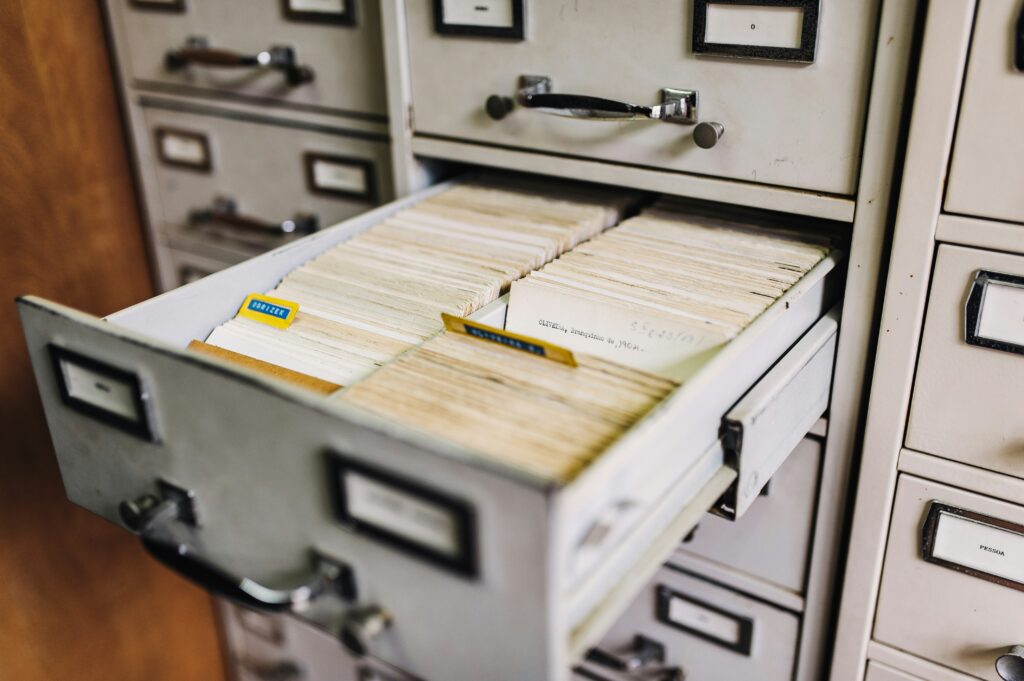
Brooklyn inventor Arnold Neustadter developed the Rolodex in the 1950s. It held contact cards on a rotating cylinder. Each card had notches that clipped onto a pair of rails, and turning a side knob moved the file to the right letter of the alphabet.
Desks at home and at work kept one within reach. A full Rolodex amounted to a record of someone’s working life: names crossed out, numbers rewritten and business cards stapled to the blanks. Digital contact lists in email clients and phones replaced it during the 1990s and 2000s. The brand is still made, mostly as an office-supply item.
Photography Gadgets: The Kodak Carousel Slide Projector
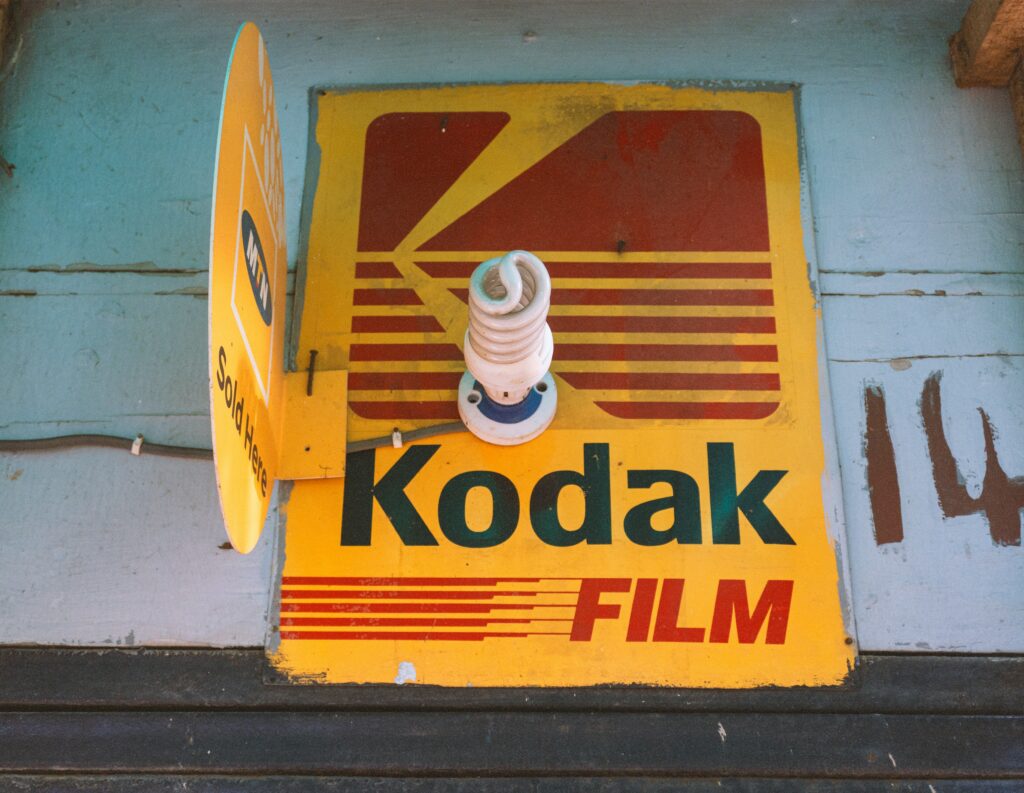
Kodak introduced the Carousel projector in 1961. It loaded 35mm slides into a round tray that sat flat on top of the machine. Gravity did the work: each slide dropped into the projection gate when it was its turn, then went back to its slot as the tray advanced.
In many families, the projector came out after a trip. Relatives sat through the vacation slides in a darkened living room while the fan hummed and the tray clicked forward. Kodak stopped making the Carousel in 2004. Digital cameras, screens and online photo sharing replaced it. Many households still have boxes of slides, and digitization services exist to convert them.
The Console Stereo Cabinet
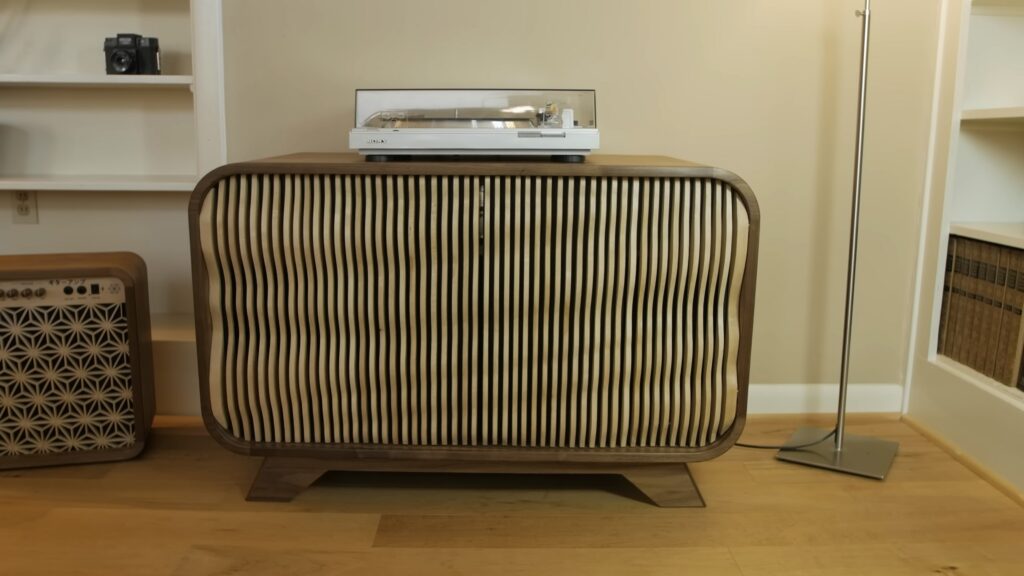
The console stereo put a turntable, an AM/FM radio and a set of speakers into one piece of furniture. Cabinets were usually several feet long, often finished in wood veneer, and sold as living-room furniture as much as audio equipment. Major manufacturers of the era, including Magnavox, Zenith and RCA, sold their own versions.
From the 1970s onward, separate component systems pushed the console aside. Buyers who wanted better sound picked their own amplifier, turntable and speakers. Compact shelf systems, and later streaming speakers, followed.
Many consoles survive in good cabinet condition. However, older tube models usually need work from a technician before they are safe to run for long periods.
Kitchen Gadgets: The Electric Percolator
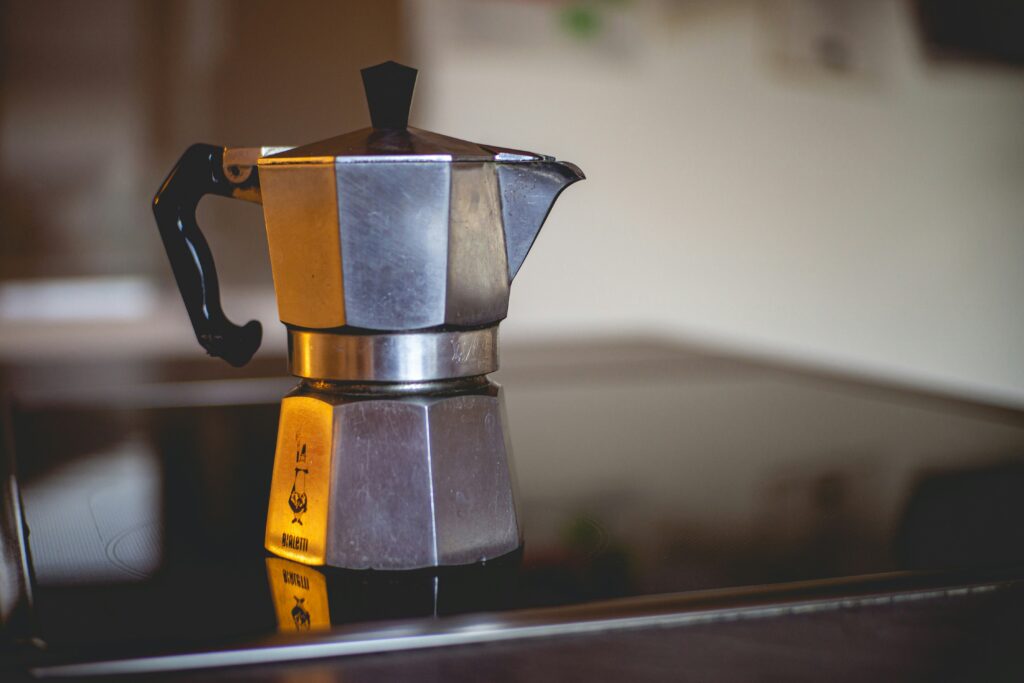
Before automatic drip machines became common in the 1970s, many households brewed coffee in an electric percolator. The device boiled water at the base and pushed it up a central tube. The water then trickled down through a basket of grounds, and the cycle repeated until the brew was done. A small glass knob on the lid let the user watch the coffee darken.
Critics said repeated circulation over-extracted the grounds and made the coffee bitter. Drip brewers solved that and took over the counter. A few brands still make percolators, and some coffee drinkers prefer the stronger result.
Television Gadgets: Rabbit Ears and the Channel Dial
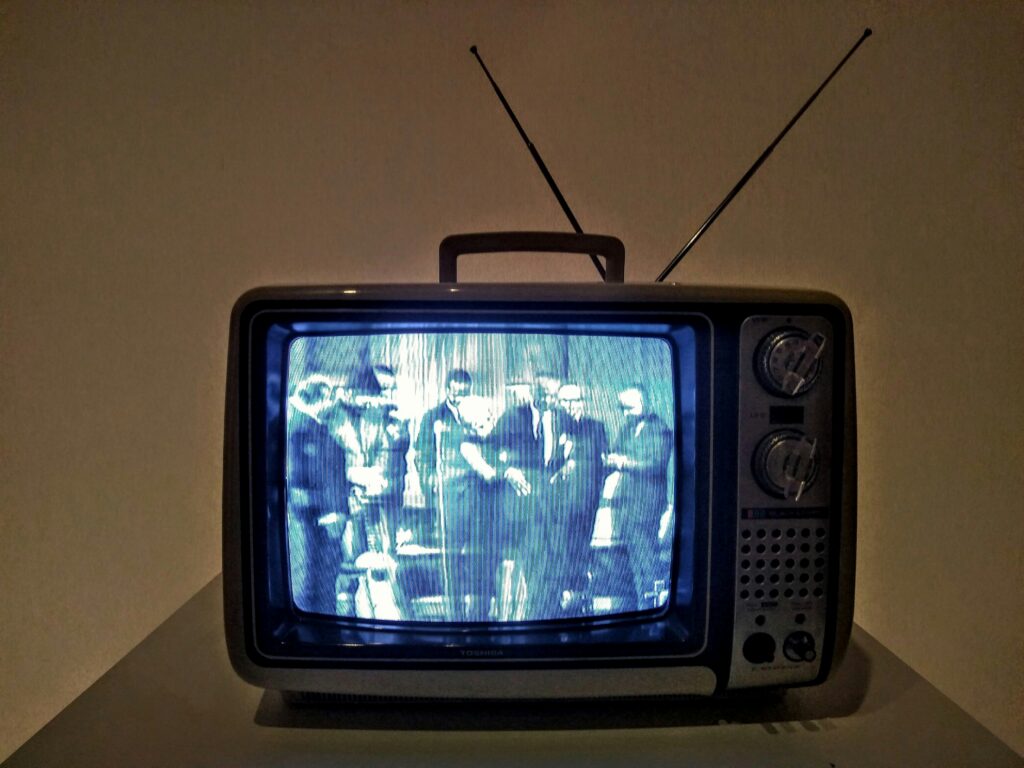
For decades, most home television arrived over the air. A set-top antenna with two telescoping rods, known as rabbit ears, pulled in the signal. Reception depended on angle, so adjusting the rods was a household chore, sometimes helped along by aluminum foil.
The set itself usually had a chunky rotary dial for VHF channels and a separate fine-tuning control for UHF. Changing channels meant getting up and walking to the set. Cable, satellite and wireless remote controls made both the dial and the antenna mostly unnecessary.
Antennas have come back to some degree. Since the U.S. moved to digital broadcasting, flat indoor antennas pick up free local channels. They are a different design from the original rabbit ears.
The IBM Selectric Typewriter
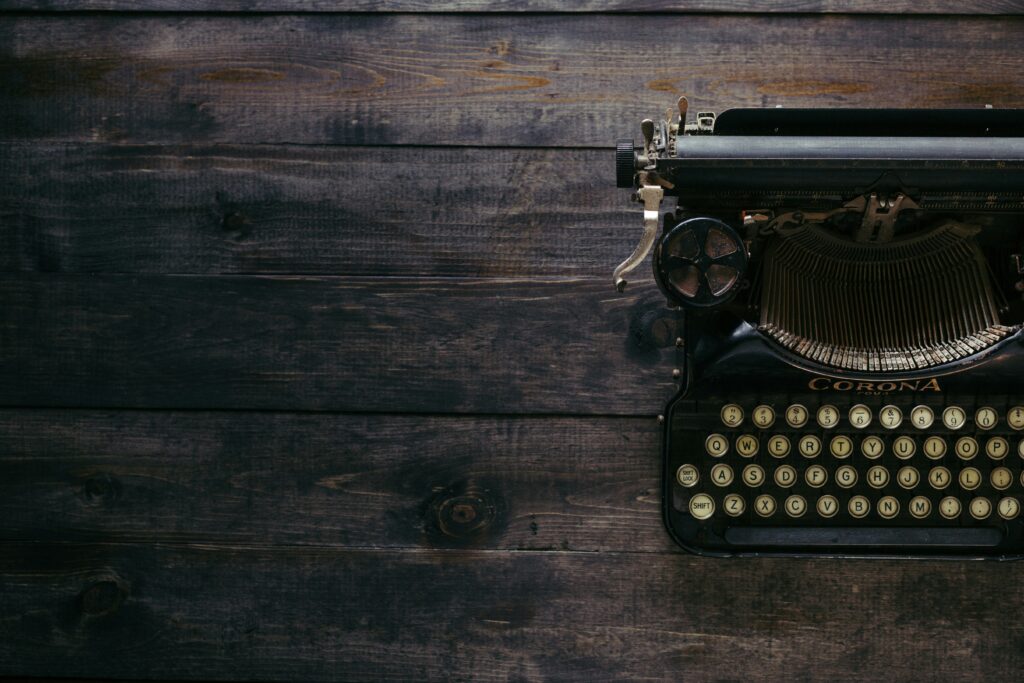
IBM released the Selectric in 1961. Instead of a basket of individual typebars, it used a single rotating typing element shaped like a golf ball. Swapping the ball changed the typeface in seconds, which earlier machines could not do. Later models added a lift-off correction tape, so the typist could remove a mistake without correction fluid.
The Selectric was mainly an office machine. Many homes instead had a portable manual typewriter for school papers, letters and tax forms. Word processors and personal computers replaced both in the 1980s and 1990s. Typewriters are still made in small numbers, and refurbished Selectrics have a steady following.
The Cassette Answering Machine
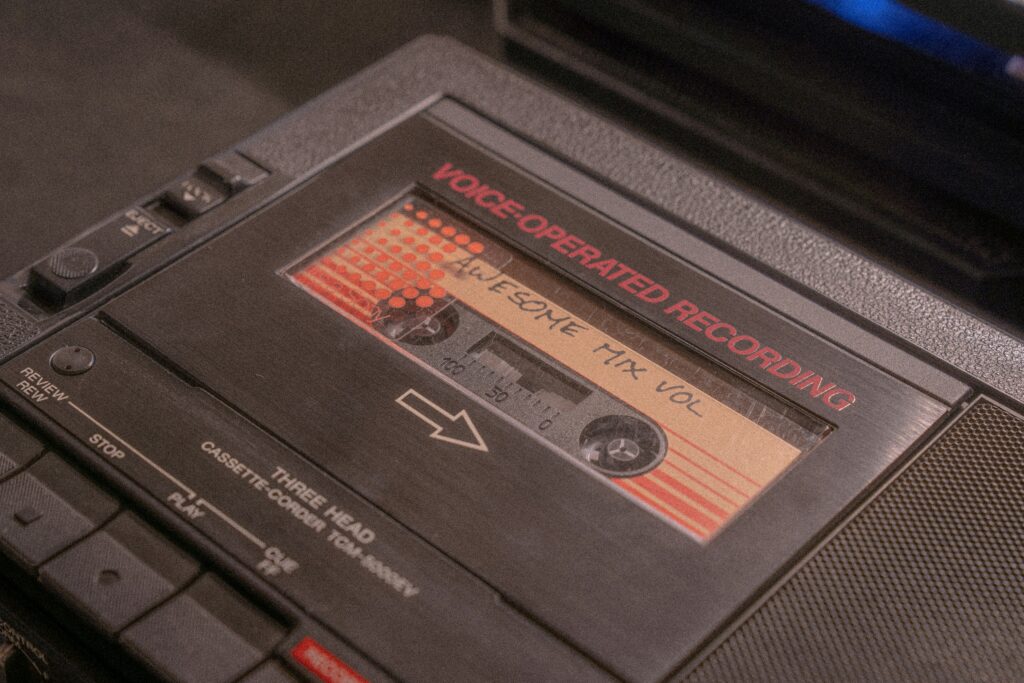
Home answering machines spread in the 1980s. A typical unit recorded the owner’s greeting on one tape and incoming messages on another, either a standard cassette or a smaller microcassette. A blinking light or a digital counter showed how many messages were waiting.
These machines also enabled a habit that phone-company voicemail took away: call screening out loud. A caller’s voice played through the speaker as the message was recorded, and the owner could pick up partway through. Voicemail run by the phone carrier, and later the smartphone, made the separate machine unnecessary.