I’ve spent enough years watching Hollywood’s comeback machine to know most “celebrity resurgences” are just marketing copy with better lighting. A publicist calls it a reinvention; a stylist calls it an era; a studio calls it a redemption arc. My job — the same instinct I’d bring to reading the back of a skincare bottle — is to ignore the label and look at the ingredients. What actually happened? Was there real craft underneath the headline, or just a well-timed red carpet appearance and a friendly profile?
The five stories below passed that test. Each one involves a person who had, by any reasonable measure, been counted out — by the industry, by the press, sometimes by their own doubts. What brought them back wasn’t luck or nostalgia alone. It was specific, identifiable work: a role that used their history instead of hiding it, a creative risk that could have easily backfired, a willingness to be seen without the old armor. That’s the difference between a moment and a resurgence.
I want to walk through what actually happened in each case, because the “how” matters more than the “wow.” If you’re rooting for anyone’s second act — in entertainment or otherwise — these celebrity resurgences are useful blueprints, not just feel-good headlines.
1. Brendan Fraser: From Punchline to Oscar Winner

For a stretch of the 2010s, Brendan Fraser’s name had become internet shorthand for a certain kind of fall from grace — the leading man nobody could quite place anymore. What actually happened during those years mattered: a physically grueling stunt career had left him with real injuries, and he’d spoken candidly about a difficult period with the industry that made him step back from the spotlight almost entirely.
The label to read closely here is The Whale (2022). It wasn’t a nostalgia play or a stunt casting — it was a demanding, physically transformative role that asked Fraser to carry nearly the entire film on raw emotional exposure. Audiences and critics responded to something specific: an actor who’d clearly done the work, not just shown up. The standing ovation at Venice was real; so was the Academy Award for Best Actor that followed. What makes this resurgence trustworthy is that it wasn’t built on erasing the hard years — Fraser spoke openly about them, which is exactly the kind of honesty that makes a comeback stick rather than dissolve at the next bad headline.
2. Ke Huy Quan: The 38-Year Wait
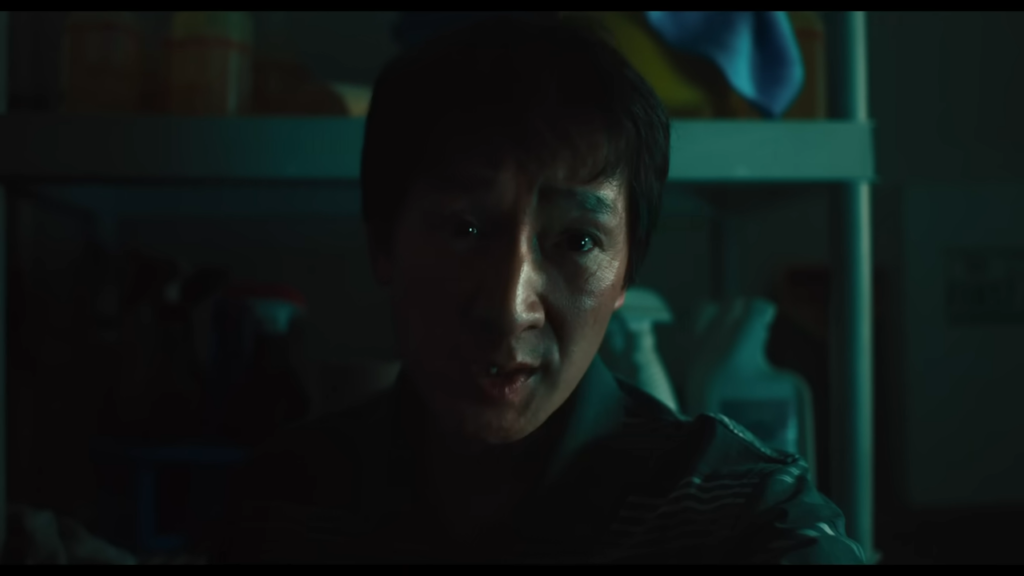
Ke Huy Quan’s story is the rare comeback that isn’t really a comeback at all — it’s a first act that got interrupted for nearly four decades. Audiences knew him as a kid actor from Indiana Jones and the Temple of Doom and The Goonies in the 1980s. Then, largely because roles for Asian American actors dried up as he got older, he stepped away from acting almost entirely and worked behind the camera instead.
Here’s what to actually look for: this wasn’t a rediscovery engineered by nostalgia marketing. It took a specific, hard-to-find role — Everything Everywhere All at Once (2022) — written for an actor who could be goofy, heartbroken, and heroic sometimes within the same scene. Quan had to actively re-enter the audition process after decades away, taking acting classes to shake off the rust. The payoff was a Best Supporting Actor Oscar and a visibly emotional speech that resonated because the gratitude was earned, not performed. It’s a resurgence story that’s really about an industry finally making room, and about one man’s patience outlasting its slowness.
3. Pamela Anderson: Rewriting the Terms

Pamela Anderson’s resurgence is unusual because it was built on subtraction rather than reinvention. For decades she’d been defined by a hyper-specific image manufactured largely by other people — tabloids, a hit show, a stolen tape that became a punchline. The 2022 Hulu series about that chapter of her life told the story from everyone’s perspective except hers, which turned out to be the catalyst.
What to actually check for in this one: Anderson answered with her own documentary, Pamela, a Love Story (2023), largely narrated through her personal diaries — her voice, unfiltered. From there, she started appearing in public without makeup, sat for interviews that were disarmingly candid, and landed a genuinely acclaimed leading role in The Last Showgirl (2024). None of it reads as image rehabilitation for its own sake. It reads like someone finally getting to narrate her own story, and audiences responded to the authenticity rather than a polished redemption arc.
4. Demi Moore: A Risk, Not a Retread
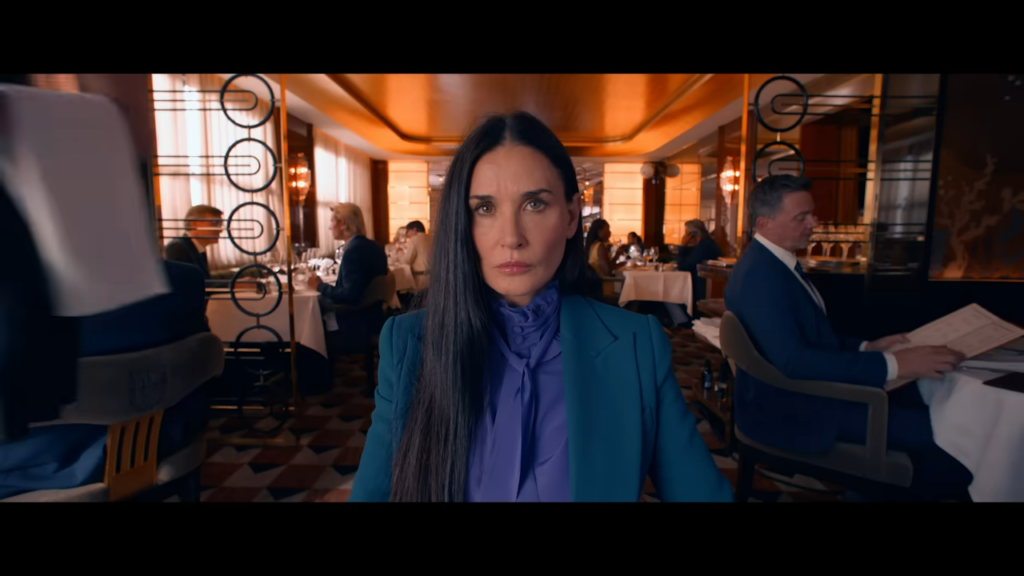
Demi Moore had never really left, but she’d settled into a certain kind of industry role — recognizable, respected, rarely surprising. That’s what makes her turn in The Substance (2024) worth examining closely. It’s a body-horror film that directly confronts the entertainment industry’s cruelty toward aging actresses, and Moore chose to play the role at full volume rather than softening it.
The ingredient list that matters here: this wasn’t a safe legacy-casting choice. It was physically demanding, tonally unforgiving, and required Moore to be genuinely vulnerable about the exact anxieties the industry had projected onto her for years. The result was some of the best reviews of her career and a Golden Globe win, plus a widely discussed, visibly emotional acceptance speech about decades of being told she was “just a popcorn actress.” A real resurgence often requires choosing the uncomfortable project over the comfortable one — that’s the tell.
5. Lindsay Lohan: Consistency Over Chaos

Lindsay Lohan’s early career was defined by tabloid chaos that overshadowed genuine talent — and for years, any mention of a comeback came wrapped in skepticism, because so many false starts had preceded it. The label to read carefully here isn’t a single splashy role; it’s a pattern.
Starting with Falling for Christmas (2022) and continuing through Irish Wish (2024) and Freakier Friday (2025), Lohan built a steady, low-drama string of Netflix and studio films. No single one is a masterpiece, and that’s actually the point — the resurgence isn’t about one triumphant performance, it’s about reliability replacing volatility. She stopped generating headlines for the wrong reasons and started generating them for showing up, doing the job, and doing it again. For someone whose public narrative was chaos for over a decade, consistency turned out to be the most surprising plot twist of all.