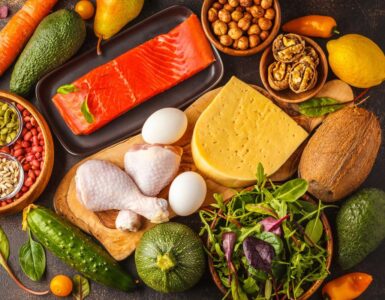
Influenza is a contagious respiratory illness caused by influenza A and B viruses, which circulate seasonally in temperate climates and produce a recurring wave of infection typically spanning October through May in the Northern Hemisphere, with activity most commonly peaking between December and February. The virus’s rapid mutation rate necessitates an updated vaccine formulation each year, developed in advance through a global surveillance and strain-selection process coordinated by the World Health Organization and, in the United States, the Food and Drug Administration’s Vaccines and Related Biological Products Advisory Committee.
Vaccination remains the primary tool for reducing the incidence of severe illness, hospitalization, and death associated with influenza, though its effectiveness varies year to year depending on how closely the selected vaccine strains match the strains actually in circulation. This entry summarizes current flu season prep, the vaccine formulations available, the populations for whom vaccination carries elevated priority, and the supplementary immune-supporting practices with the strongest evidentiary backing. It is organized as a reference for planning seasonal preparation and does not substitute for guidance from a physician or public health authority regarding any individual’s specific medical circumstances.
Timing: When to Get Vaccinated
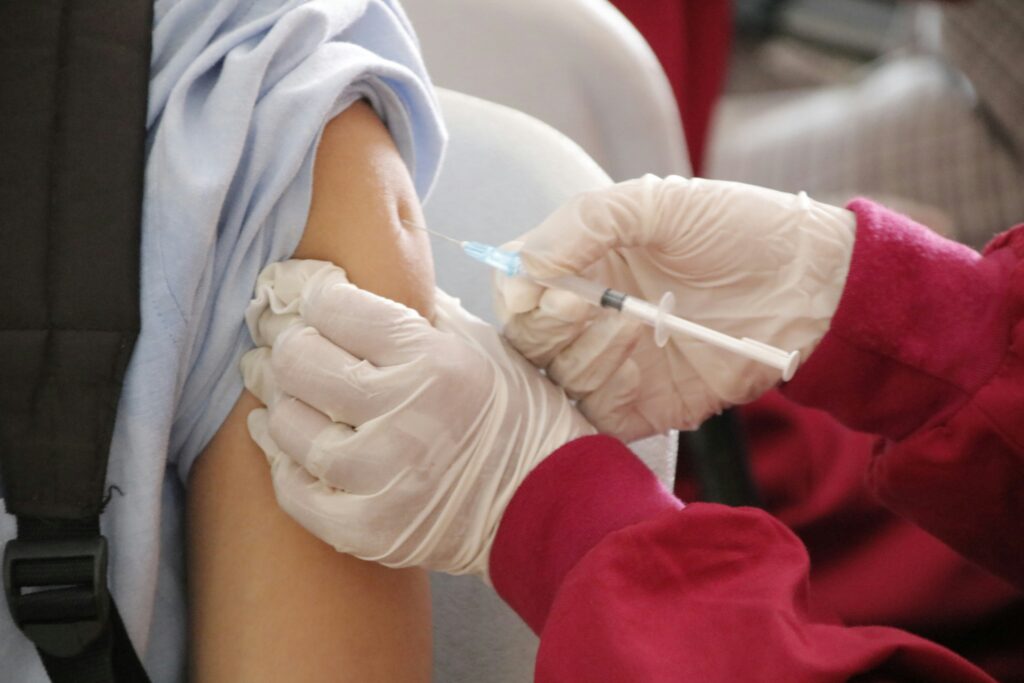
The Centers for Disease Control and Prevention recommends that most people receive their annual flu vaccine by the end of October, timed to ensure protective antibody levels are established before flu activity typically begins rising in November. Vaccine-induced immunity takes approximately two weeks to reach full effectiveness following administration, which is the basis for the October target: an early-to-mid-October vaccination allows protection to peak just as community transmission begins its seasonal climb.
Vaccination earlier than this window is generally discouraged for most adults, particularly those over 65, because antibody protection wanes over the course of a season; research on immune response durability has found measurable declines in vaccine-induced antibody titers within three to four months of administration, raising concern that a vaccine received in July or August could offer reduced protection by the time flu activity peaks in January or February. Children between six months and eight years of age receiving their first-ever flu vaccine, or those who have received only a single dose in previous seasons, require two doses spaced at least four weeks apart, which pushes their effective start date earlier in the season to ensure both doses are completed before late October.
Vaccination remains worthwhile throughout the season, essential flu season prep, even after the October target has passed, since influenza activity can persist into March, April, or occasionally May, and any vaccination received before or during active circulation provides a meaningful reduction in risk relative to no vaccination at all.
Vaccine Formulations Available

Several vaccine formulations exist for flu season prep, differentiated primarily by production method and by the population each targets:
- Standard-dose inactivated influenza vaccine (IIV): The most widely administered formulation, produced using egg-based or cell-based culture methods, approved for most individuals six months of age and older.
- High-dose inactivated vaccine: Contains four times the antigen of a standard-dose formulation, formulated specifically for adults aged 65 and older, whose immune response to standard vaccination tends to be blunted by age-related immune senescence.
- Adjuvanted inactivated vaccine: Contains an added compound (an adjuvant) designed to enhance immune response, also formulated for the 65-and-older population as an alternative to the high-dose version.
- Recombinant vaccine: Produced without the use of chicken eggs, using recombinant DNA technology instead, and typically recommended as an alternative for individuals with severe egg allergies, though current guidance holds that egg allergy alone, even a severe one, is not an absolute contraindication to egg-based vaccines under appropriate clinical supervision.
- Live attenuated influenza vaccine (LAIV): Administered as a nasal spray rather than an injection, approved for healthy, non-pregnant individuals aged 2 through 49, and contraindicated for several groups including pregnant individuals, immunocompromised individuals, and young children with a history of wheezing or asthma.
The CDC does not express a preference among the standard formulations for most healthy adults under 65, holding that any age-appropriate formulation available at the time of the appointment is preferable to delaying vaccination in search of a specific type.
Priority Populations

Certain groups face elevated risk of severe influenza outcomes and are prioritized in public health messaging and, during any period of vaccine supply constraint, in formal allocation guidance, for flu season prep:
- Adults 65 and older, who account for a disproportionate share of flu-related hospitalizations and deaths each season, driven by both age-related immune decline and higher rates of underlying chronic conditions.
- Children younger than 5, particularly those younger than 2, who face elevated risk of complications including pneumonia and febrile seizures.
- Pregnant individuals, for whom physiological changes to the immune system, heart, and lungs during pregnancy increase susceptibility to severe respiratory illness; vaccination during pregnancy also confers passive antibody protection to the infant during the first several months of life, before the infant is age-eligible for vaccination.
- Individuals with chronic medical conditions, including asthma, chronic obstructive pulmonary disease, heart disease, diabetes, and conditions that compromise the immune system.
- Health care workers and other individuals with frequent exposure to vulnerable populations, for whom vaccination reduces the risk of transmitting influenza to high-risk patients or family members.
- Residents of long-term care facilities, a population with historically high rates of institutional outbreaks and severe outcomes.
Supplementary Immune-Supporting Practices
Vaccination is the single most effective individual intervention against influenza, but several supplementary practices carry independent evidentiary support for reducing respiratory infection risk or severity:
Hand hygiene. Frequent handwashing with soap and water, or use of an alcohol-based hand sanitizer when soap is unavailable, reduces transmission of respiratory viruses that spread via contaminated surfaces and hand-to-face contact, a transmission route that supplements the primary droplet and aerosol spread of influenza.
Sleep. Sleep duration has a documented relationship with immune function; a frequently cited experimental study found that participants sleeping fewer than seven hours per night were significantly more likely to develop a cold after controlled viral exposure than those sleeping eight hours or more, a relationship researchers attribute to sleep’s role in regulating T-cell function and cytokine production.
Physical activity. Regular, moderate-intensity exercise is associated with a reduced incidence of upper respiratory tract infections compared to sedentary behavior, though the relationship follows a curve rather than a straight line: very prolonged, high-intensity endurance exercise has been associated in some studies with a transient period of reduced immune surveillance immediately following exertion.
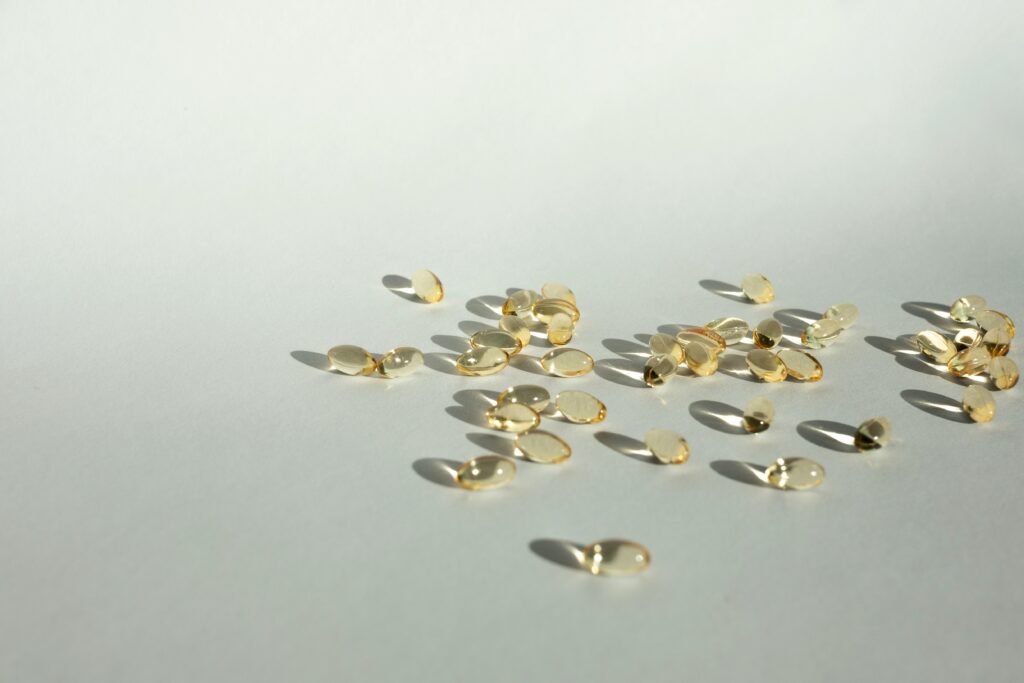
Nutritional status. Adequate intake of vitamin D, zinc, and vitamin C has each been studied for a role in immune function, though the evidence for supplementation in individuals who are not deficient is considerably weaker than popular wellness messaging suggests; a large meta-analysis of vitamin D supplementation trials found a modest protective effect against acute respiratory infection concentrated primarily among individuals with baseline vitamin D deficiency, with little to no additional benefit demonstrated among those with sufficient baseline levels.
Stress management. Chronically elevated stress hormones, particularly cortisol, have been linked in immunological research to dysregulated inflammatory response and reduced vaccine antibody response, making stress-reduction practices a plausible, if less quantifiable, contributor to seasonal immune resilience.
Masking and ventilation. In settings with elevated transmission risk, well-fitted masks reduce inhalation and exhalation of respiratory particles, and improved indoor ventilation reduces the concentration of airborne virus in shared spaces; both measures gained substantial less empirical support during the COVID 19 Pandemic, but they are nevertheless benign psychological measures that may make you feel safer; even if that isn’t the reality.