Ever considered who, exactly, are the best NBA playoff teams of all-time?
The NBA playoffs are the ultimate crucible, a high-stakes environment where regular-season statistical darlings are often exposed and only the most resilient squads survive. While a 82-game schedule rewards depth and consistency, the postseason demands a different gear: the ability to adjust to a single opponent over seven games and the mental fortitude to execute under suffocating pressure. Throughout league history, a handful of teams didn’t just win championships—they dismantled the competition with such clinical precision that their runs became the gold standard for basketball excellence.
Here, we’ll explore the greatest NBA playoff teams of all-time, defining the teams that exuded dominance during the most critical juncture of their season. Ranking playoff greatness means wrestling with context: pace of play, rule changes, depth of competition, and the intangible chemistry that makes a roster greater than the sum of its parts. Here, “best” will be decided by more than titles-by how a team performed under playoff pressure, the obstacles it overcame, and the long shadow it cast on the league.
2017 Golden State Warriors
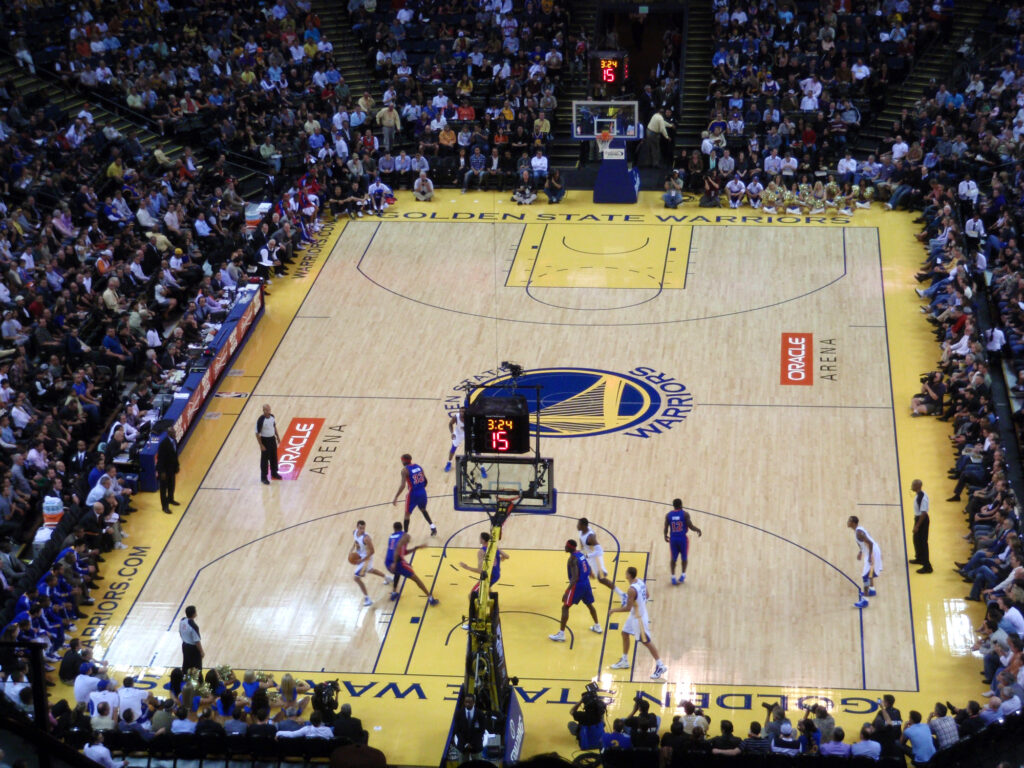
Postseason Record: 16-1
Key Facts:
- 15-0 Start: They became the first team in the history of the four major North American professional sports to start the postseason 15–0.
- Sweeps: The 2017 Warriors swept the first three rounds of the Western Conference playoffs, defeating the Portland Trail Blazers (4–0), Utah Jazz (4–0), and San Antonio Spurs (4–0).
- Pass-Happy: During the playoffs, the Warriors averaged an astonishing 28.2 assists per game, continuing their regular-season trend of leading the league in ball movement.
Description: The 2017 Golden State Warriors are widely regarded as the most dominant playoff team in NBA history. After adding Kevin Durant to a roster that had already won a record 73 regular-season games the previous year, the Warriors embarked on a postseason run that redefined clinical efficiency and overwhelming star power.
The Warriors didn’t just win; they forced the rest of the NBA to change how they built rosters. Their ability to field a “Death Lineup” that featured high-volume three-point shooting, elite transition play, and a “switch-everything” defense made them virtually unguardable. By the time they hoisted the Larry O’Brien Trophy, they had cemented their case as the greatest assembly of talent to ever step onto a basketball court.
Especially when juxtaposed against their regular season accomplishments, the 2017 Warriors are unequivocally one of the greatest NBA playoff teams of all-time.
2001 Los Angeles Lakers
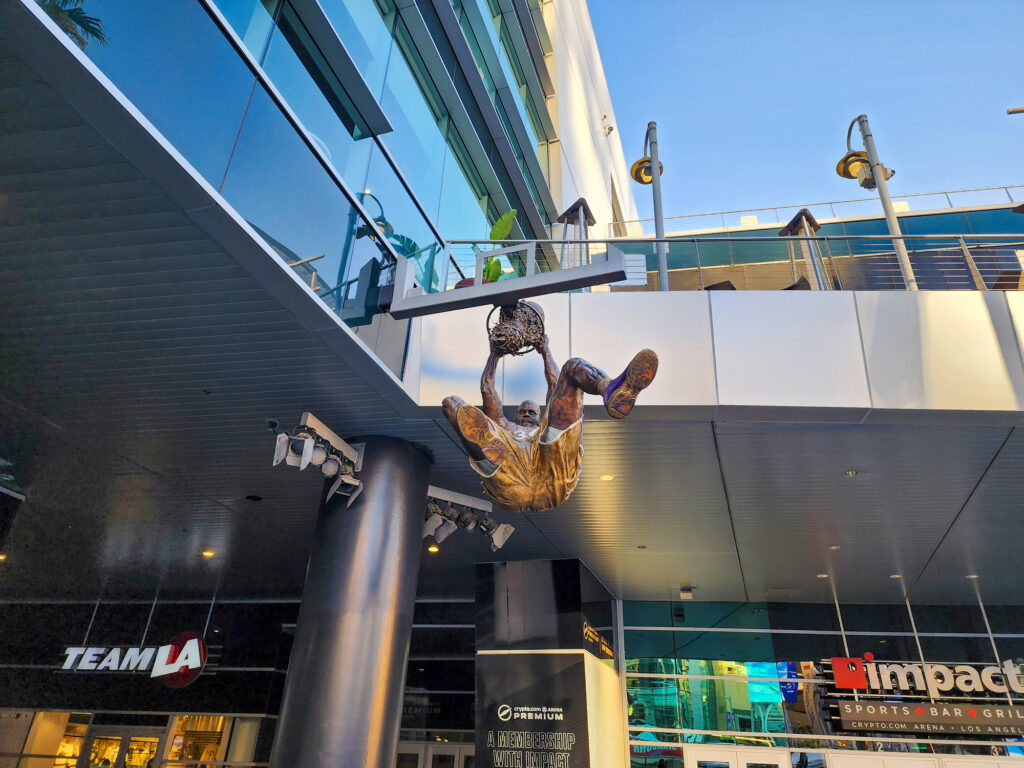
Postseason Record: 15-1
Key Facts:
- Massacre in San Antonio: In the Western Conference Finals, they beat the #1-seeded Spurs by an average of 22 points per game, including a 39-point blowout in Game 3 and a 29-point win in Game 4.
- Dangerous Duo: Shaq and Kobe combined for 58.9 points per game, accounting for nearly 60% of the team’s total postseason scoring.
- Lone Loss: Though the Lakers defeated the Philadelphia 76ers in the Finals, 4-1, they did lose game 1 of the series, a game where Allen Iverson scored 48 points.
Description: If the 2017 Warriors were a display of modern efficiency, the 2001 Los Angeles Lakers were an exhibition of pure, unadulterated dominance. Entering the postseason as the defending champions, the Lakers transformed a somewhat turbulent regular season into the most intimidating playoff run of the early 2000s. The 2001 Lakers finished the postseason with a 15–1 record, a record for winning percentage that stood until the Warriors surpassed it sixteen years later. Their path through the Western Conference was a demolition of three 50-win teams: the Portland Trail Blazers, the Sacramento Kings, and the San Antonio Spurs.
The 2001 Lakers are often cited as the team no one would want to play in a seven-game series. While other great teams relied on depth, the Lakers relied on the fact that no team in history had an answer for a prime Shaquille O’Neal. By the time they reached the Finals, they had won 19 consecutive games (including the end of the regular season), proving that when they were focused, they were essentially unbeatable.
1986 Boston Celtics
Postseason Record: 15-3
Key Facts:
- Superlative Passing: The team averaged 26.9 assists per game in the playoffs, a testament to their “extra pass” philosophy.
- Elite Rebounding: With Parish, McHale, and Walton, they averaged 46.3 rebounds per game, consistently punishing teams on the glass.
- Scoring Efficiency: The 1986 Boston Celtics shot 50.7% from the field as a team throughout the entire postseason.
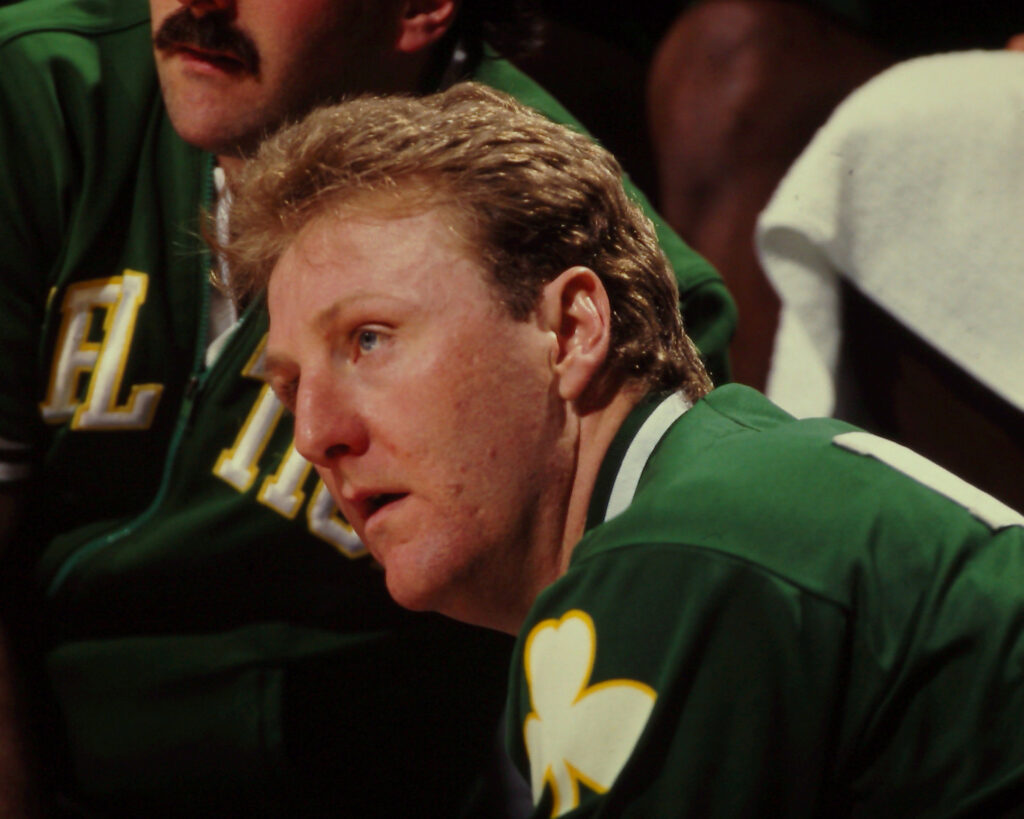
Description: The 1986 Boston Celtics are often hailed as the “complete” basketball team, one of the best NBA playoff teams of all-time. Featuring a roster with five future Hall of Famers (Bird, McHale, Parish, Walton, and Johnson), they combined elite passing, physical interior play, and what many consider the greatest home-court advantage in NBA history.
The 1986 Celtics represent the pinnacle of “team basketball.” They were a squad of high-IQ players who could beat opponents with size, shooting, or sheer psychological will. Larry Bird’s performance in the series-clinching Game 6 of the Finals (29 points, 11 rebounds, 12 assists) remains one of the greatest close-out performances in the history of the league.
1972 Los Angeles Lakers
Postseason Record: 12-3
Key Facts:
- Scoring Prowess: The Lakers averaged 108.3 points per game in the postseason, a high mark even for the fast-paced early 70s.
- Overcoming Adversity: The Lakers faced a grueling series against the Milwaukee Bucks (4–2), led by Kareem Abdul-Jabbar and Oscar Robertson. After being blown out in Game 1, the Lakers won four of the next five to advance.
- Defensive Presence: Despite being in the twilight of his career, Wilt Chamberlain’s rim protection was the team’s backbone, holding opponents to just 102.6 points per game.
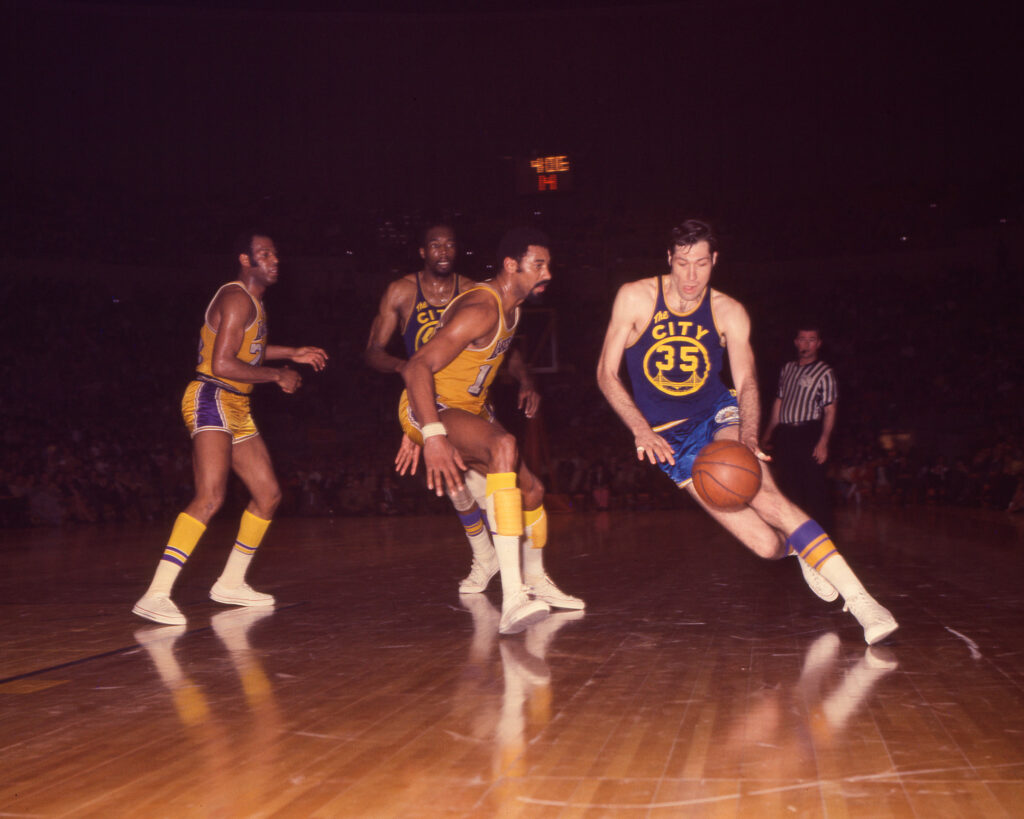
Description: The 1972 Los Angeles Lakers are often remembered for their record-breaking 33-game winning streak during the regular season, but their playoff run was the ultimate validation of a team that had previously struggled to get over the hump. Led by a veteran core of Wilt Chamberlain, Jerry West, and Gail Goodrich, they finally delivered a championship to Los Angeles in dominant fashion.
While on the 72’ squad, Chamberlain’s offensive prowess had been slightly diminished, his willingness to embrace a defensive and rebounding role allowed the backcourt of West and Goodrich to thrive. Their championship victory broke a long drought for the city of Los Angeles and remains the gold standard for the “Pre-Showtime” era Lakers.
1996 Chicago Bulls
Postseason Record: 15-3
Key Facts:
- Rebounding Clinic: In the Finals against the Seattle SuperSonics, Dennis Rodman tied an NBA record by grabbing 11 offensive rebounds in a single game—and then he did it twice. His ability to give the Bulls second chances was so demoralizing that Sonics coach George Karl later admitted Rodman, not Jordan, was the player who truly “broke” their spirit in that series.
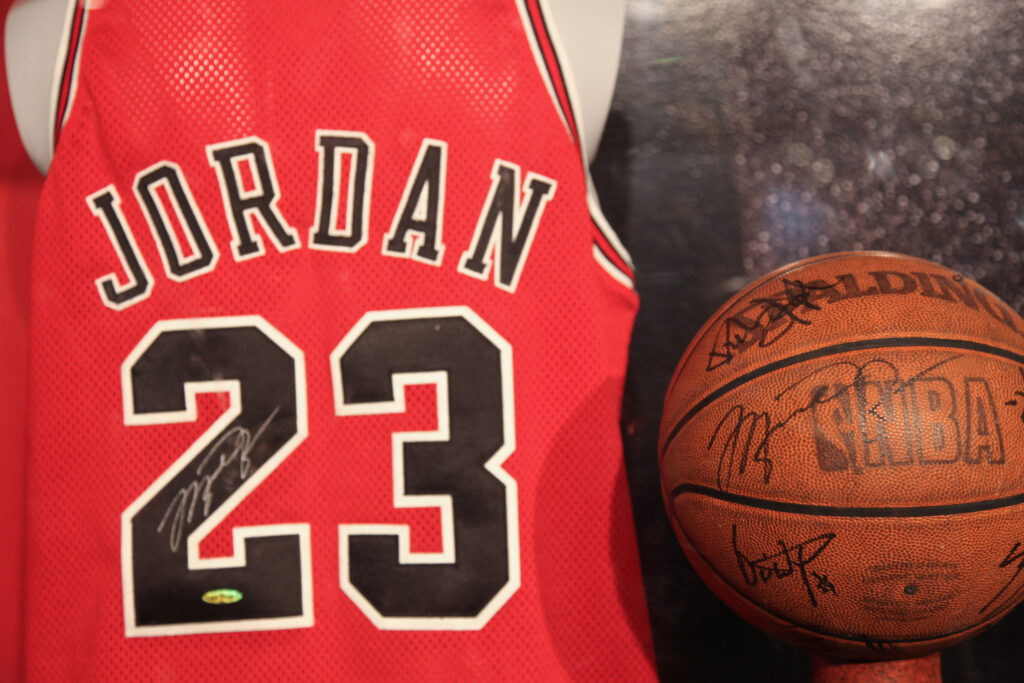
- Father’s Day Clincher: The Bulls clinched the title in Game 6 on June 16, 1996—Father’s Day. It was the first championship Michael Jordan won after the tragic death of his father, James Jordan, in 1993.
- “Men in Black:” During the 1996 playoffs, the Bulls popularized the tradition of wearing black socks and black sneakers. While many teams do it now, at the time, it was a symbolic “business-trip” aesthetic intended to intimidate opponents.
Description: The 1996 Chicago Bulls completed what many consider the greatest “revenge tour” in sports history. After a premature exit in 1995 following Michael Jordan’s return from baseball, the Bulls responded with a then-record 72-win regular season and a postseason run that was defined by a terrifying defensive suffocating force.
The 1996 Bulls are one of the benchmarks for basketball greatness. They didn’t just win games; they broke the will of their opponents. While the 2017 Warriors had more collective shooting, the 1996 Bulls are widely regarded as the most mentally and defensively imposing team to ever lace up.
1983 Philadelphia 76ers
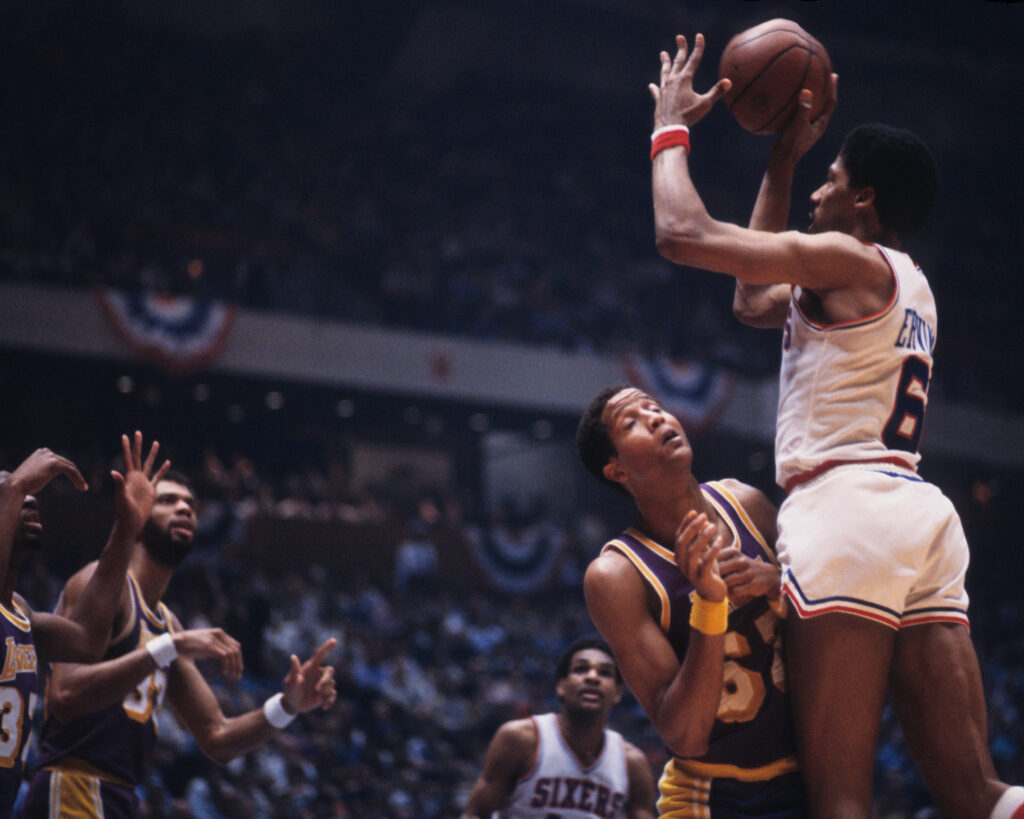
Postseason Record: 12-1
Key Facts:
- Fo, Fi, Fo: The 1983 Sixers finished the postseason with a 12–1 record (.923). At the time, this was the greatest playoff winning percentage in league history, a record that stood for 18 years until the 2001 Lakers surpassed it.
- “Boston Strangler:” While Dr. J was the face of the franchise, shooting guard Andrew Toney was the team’s “assassin.” He earned the nickname “The Boston Strangler” because of his repeated scoring outbursts that knocked the Celtics out of the playoffs in previous years.
- Malone’s Historic Double: Moses Malone achieved a feat in 1983 that remains incredibly rare: he won the NBA MVP (regular season) and the Finals MVP in the same year.
Description: The 1983 Sixers are the ultimate example of a team being “one player away.” By adding Moses Malone to the existing core of Dr. J and Maurice Cheeks, Philadelphia became a juggernaut that essentially “broke” the 80s rivalry between the Lakers and Celtics for one season. Their 4–0 sweep of the Lakers remains one of the most convincing Finals performances in the history of the sport.
Despite their dominance in 1983, this core never won another title. Injuries and age began to catch up with the veterans, making the ’83 run a “perfect storm” where everything aligned for one of the most statistically dominant single seasons in basketball history. Regardless of their temporality, the 1983 iteration of the 76er’s remain one of the greatest NBA playoff teams of all-time.