There are moments that smell like instant nostalgia-the crackle of a mixtape rewinding under your finger, the warm neon glow of an arcade cabinet, the impatient click-click of a dial-up modem laboring to connect. The 90’s weren’t just a decade; they were an atmospheric overlay where pop culture, analogue rituals, and the first flush of the digital age collided. Whether you lived it or learned about it through your parents’ record collection, the 90’s left a tactile, noisy imprint on how we remember leisure, fashion, friendship, and even how we first learned to be online.
This decade matters because it was a cultural laboratory. MTV curated moods, grunge flipped mainstream aesthetics, early internet dial-ups promised connection without yet monetizing attention, and the mall served as both social stage and rite of passage. Those mixtapes, Tamagotchis, and VHS tapes did more than entertain-they were tools for self-expression, social signaling, and community-building in a way that feels oddly instructive today. If you find yourself nostalgic for vinyl, obsessed with retro fonts, or suspicious of constant connectivity, the 90’s offer clues about how and why those patterns started
In this article, we’ll relive the quintessential experiences that defined the 90’s-big and small moments; from Blockbuster nights to the first awkward chatrooms-and tease apart what they taught us about identity, community, and desire.
AOL Dial Up Internet

The 1990s represented a cultural pivot point where the physical world began to merge with the digital one. America Online acted as the training wheels for the modern internet, turning the “Information Superhighway” from a terrifying concept into a neighborhood hangout. While the tech was clunky by today’s standards, there was a sense of wonder in the “You’ve Got Mail” notification that today’s constant pings can’t quite replicate. It was a decade of transition, where we still lived in the moment but were just starting to realize that the moment could be shared with someone thousands of miles away.
Blockbuster Nights and VHS Rentals
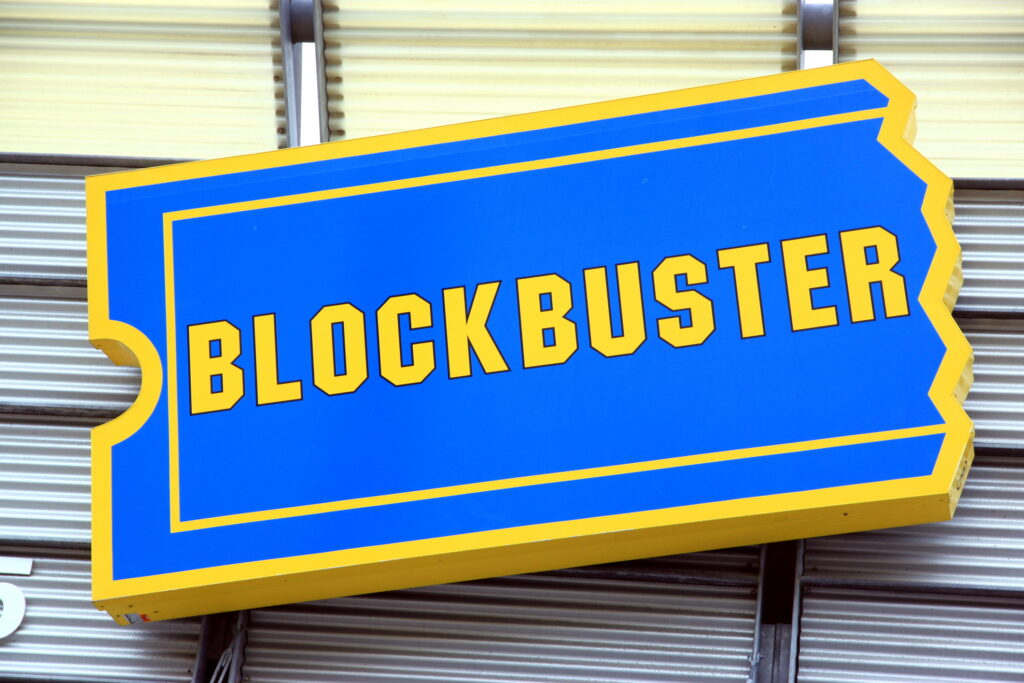
In the 1990s, Friday nights didn’t start with an app; they started in a parking lot. The pilgrimage to the local video store was a high-stakes social ritual that required consensus, timing, and a bit of luck. Whether you were scanning the “New Releases” wall or wandering the aisles of Blockbuster Video, the experience was entirely tactile. You didn’t scroll through an algorithm; you judged a movie by the weight of its plastic case and the flashy art on the box. It was an era of physical media where the “Coming Soon” trailers at the start of a tape were cultural milestones and the blue-and-yellow laminated membership card felt like a passport to another world.
Beanie Babies Mania
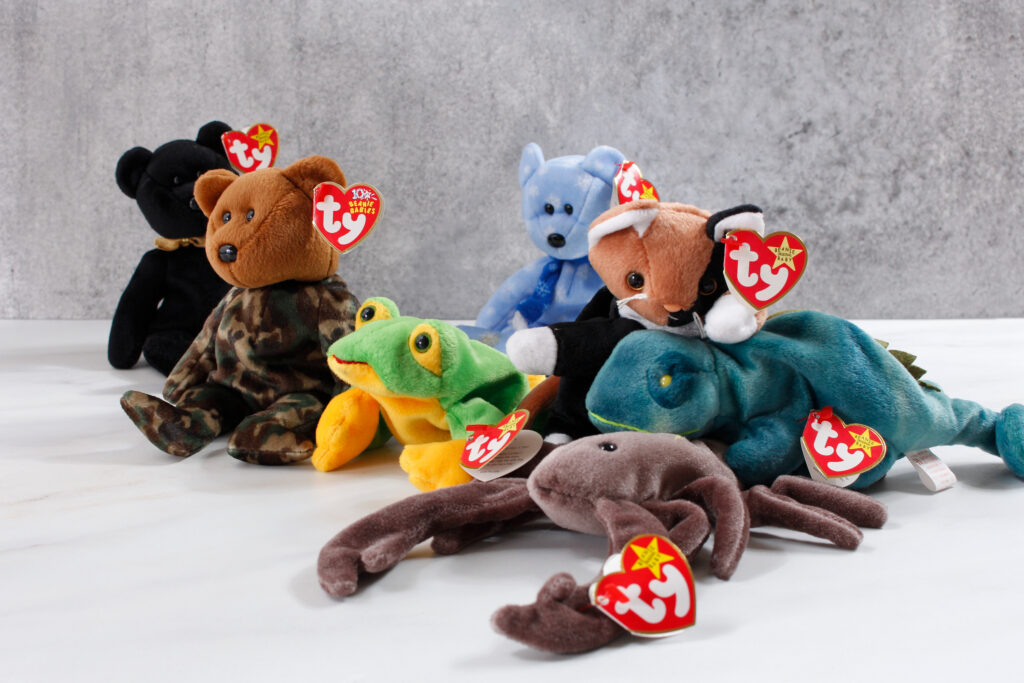
In the mid-to-late 90s, the world succumbed to “Beanie Baby Fever,” a phenomenon that transformed plush toys into a high-stakes commodities market. Created by Ty Warner, these under-stuffed bean bags were intentionally “retired” to create artificial scarcity, turning casual toy shoppers into cutthroat speculators. It wasn’t uncommon to see grown adults rushing a McDonald’s for a “Teenie Beanie” Happy Meal or scouring local Hallmark stores for a rare “Princess the Bear.” With their iconic heart-shaped Ty tags protected by plastic cases, Beanie Babies weren’t just toys—they were perceived as future college tuition funds and retirement plans.
Video Game Console Wars
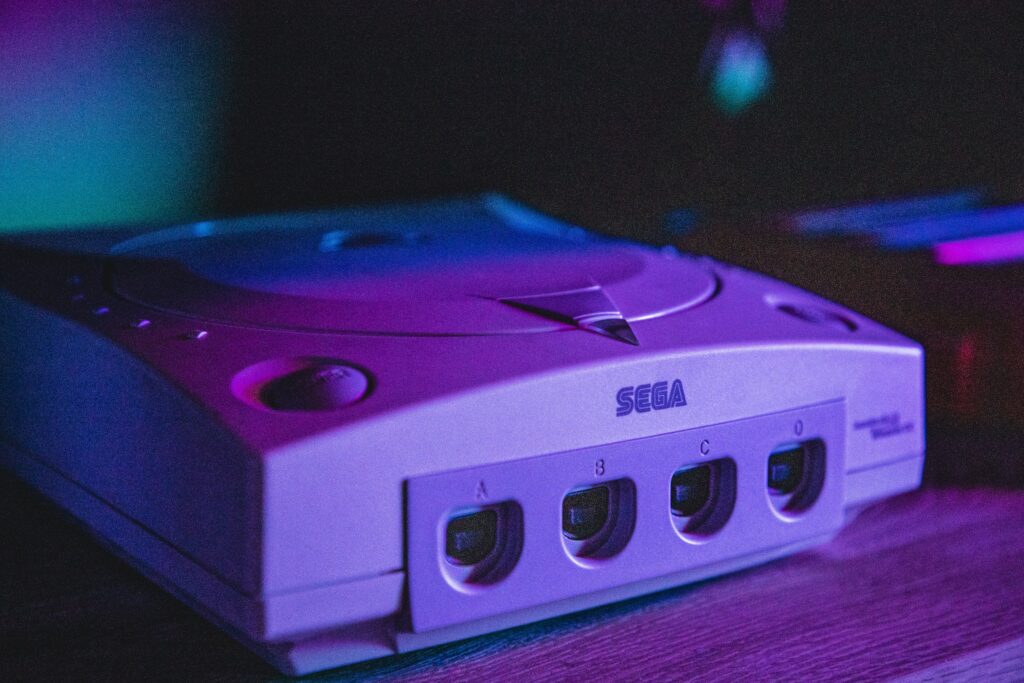
In the 1990s, your playground identity was forged in the fires of the Console Wars. It wasn’t just about which hardware you owned; it was a tribal allegiance that defined your social circle. The decade began as a 16-bit duel between the wholesome, polished world of Nintendo and the edgy, “blast processed” attitude of Sega. As the years progressed, the entry of the Sony PlayStation shattered the status quo, shifting gaming from a “kid’s hobby” to a cinematic, 3D cultural powerhouse. This was the era of the “system seller”—where a single plumber, hedgehog, or spiked-haired mercenary could convince your parents to drop hundreds of dollars on a gray plastic box.
Pop Explosions: Spice Girls, NSync and More
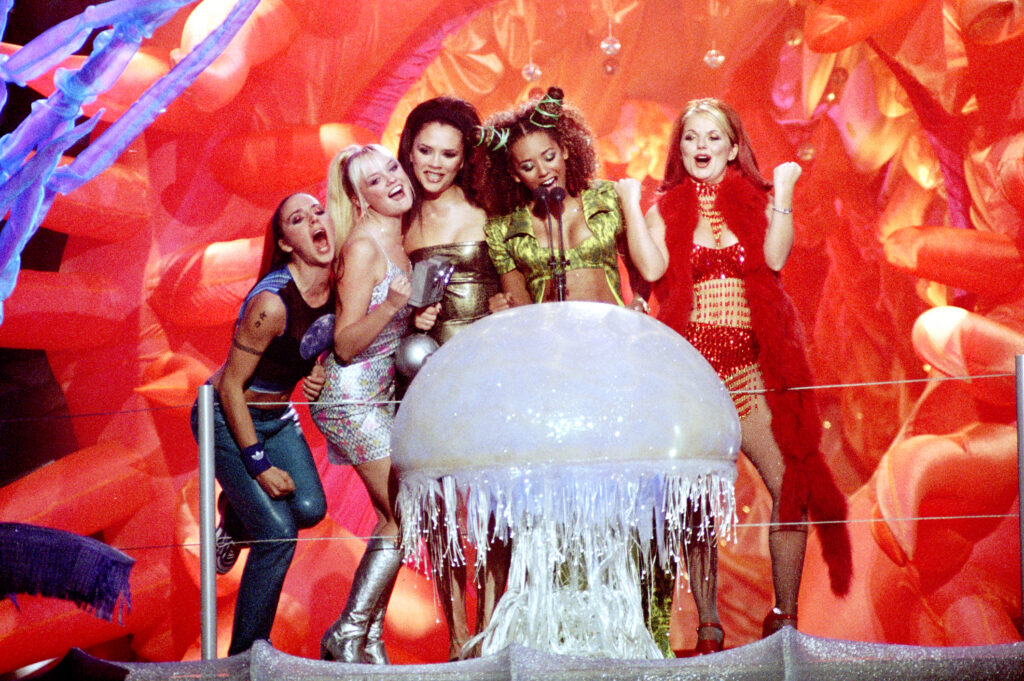
In the late 1990s, the music industry underwent a massive “Pop Explosion” that effectively ended the reign of grunge and ushered in an era of polished choreography, high-concept music videos, and undeniable hooks. This was the age of the Supergroup, embodied by groups like the “Backstreet Boys,” the “Spice Girls,” and “NSync.
Between the matching outfits, the carefully curated “personalities” of each member, and the constant battle for the #1 spot on MTV’s Total Request Live (TRL), pop culture became a high-energy, neon-colored spectacle that dominated radio waves and bedroom wall posters alike.
MTV Culture
MTV in the 90s acted as the first truly global “trending” page. Before the internet could host video, MTV was the only place to see the latest fashion trends—from grunge flannels to hip-hop streetwear—and to hear the newest sounds from Seattle or London. It was an era of “appointment viewing” where everyone watched the same Video Music Awards (VMAs) on Thursday night so they could talk about it at school on Friday. While the channel eventually moved away from music, its 90s peak remains the quintessential example of a media brand successfully capturing the “lightning in a bottle” energy of youth culture.
“Must See TV” and Friends
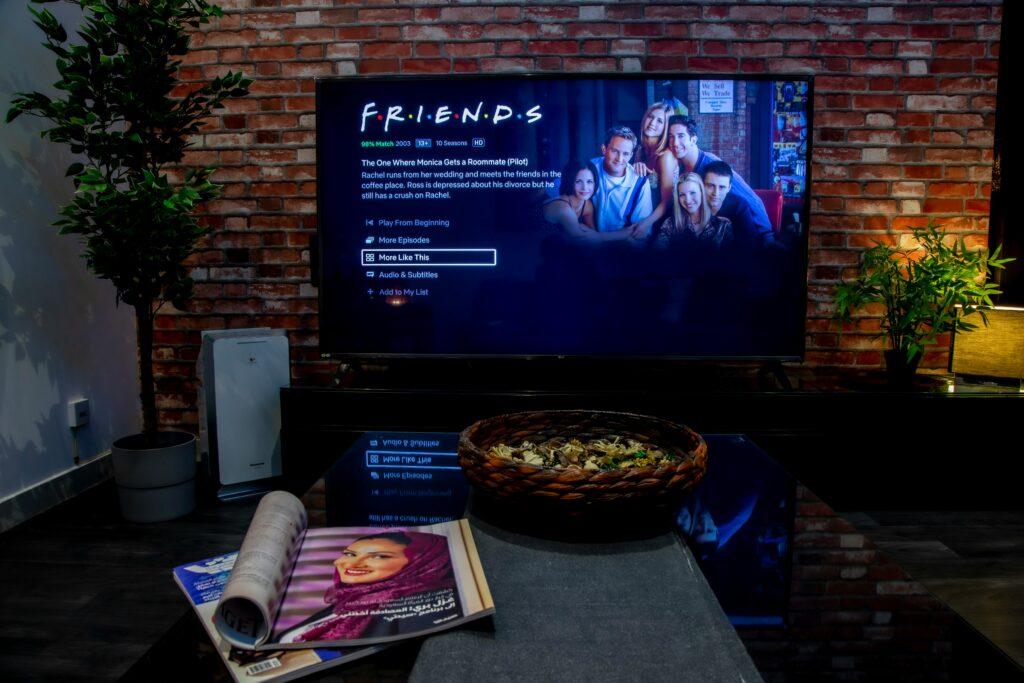
In the 1990s, “Friends” was more than just a sitcom; it was a cultural blueprint for the “modern family” of the decade—the urban tribe. Premiering in 1994, it shifted the focus of television from the traditional nuclear household to a group of twenty-somethings navigating life, love, and career in New York City. The show’s influence was inescapable, turning Central Perk into the world’s most famous coffee shop and sparking a global obsession with the “Rachel” haircut. For ten years, the camaraderie of Ross, Rachel, Monica, Chandler, Joey, and Phoebe provided a cozy, aspirational vision of adulthood where your friends were the family you chose for yourself.
Everyone Went to See Titanic
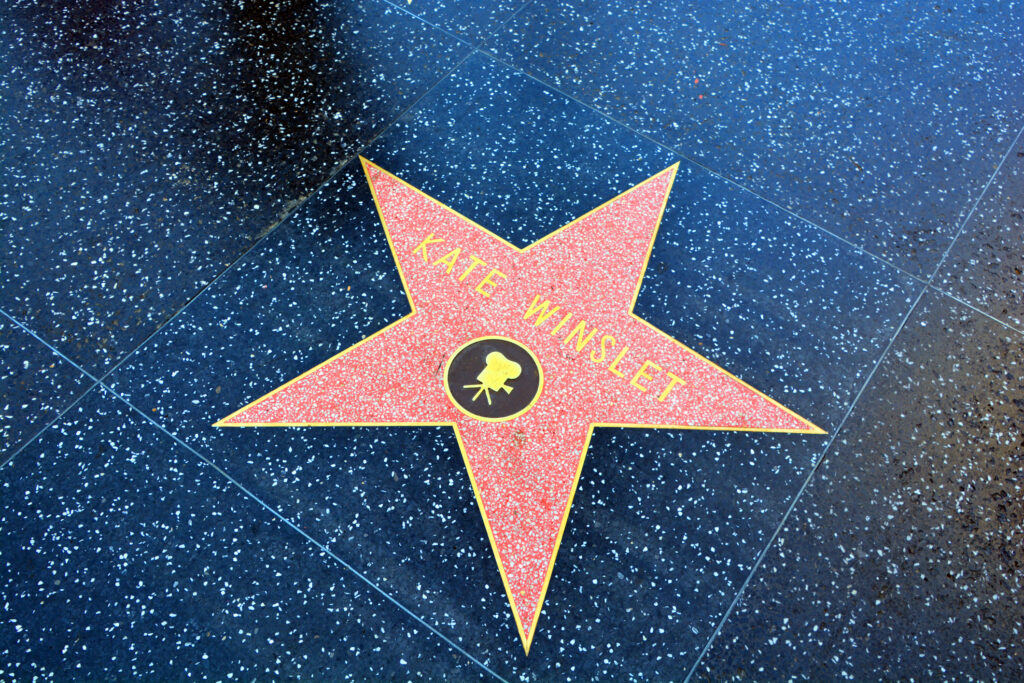
In 1997, James Cameron’s “Titanic” sailed into theaters and became a cultural juggernaut that defined the late 90s. It wasn’t just a movie; it was a global obsession that shattered box office records and stayed at #1 for fifteen consecutive weeks. The film bridged the gap between a high-stakes action spectacle and a sweeping historical romance, turning Leonardo DiCaprio and Kate Winslet into the ultimate icons of the era. “Titanic” was the last great “monoculture” event before the internet fragmented our shared media experiences.
Pokémon Cards, Gameboy and TV Show

In the late 1990s, Pokémon (short for “Pocket Monsters”) arrived from Japan and effectively took over the world. It wasn’t just a video game or a cartoon; it was a comprehensive social currency for a generation of kids. The franchise’s brilliant slogan, “Gotta Catch ‘Em All,” tapped into a primal collecting instinct that turned schoolyards into bustling trading floors. Whether you were squinting at a non-backlit Game Boy screen, tearing open foil booster packs in hopes of a holographic Charizard, or waking up early to catch the latest episode of the anime, Pokémon was a totalizing cultural phenomenon that defined the end of the millennium.
Y2K Prep for the “Millennium Bug”

As the 1990s drew to a close, the world became gripped by a unique blend of futuristic optimism and apocalyptic anxiety known as Y2K. The “Millennium Bug” was a looming digital crisis based on the fear that computers, which had traditionally recorded years using only the last two digits, would interpret “00” as 1900 rather than 2000. This sparked a global frenzy of system upgrades and survivalist prepping, but it also birthed a distinct aesthetic of silver jumpsuits, translucent tech, and “space-age” pop music. It was a time of high-stakes tension where the world collectively held its breath, wondering if the stroke of midnight would bring a digital collapse or a shiny, chrome-plated future.